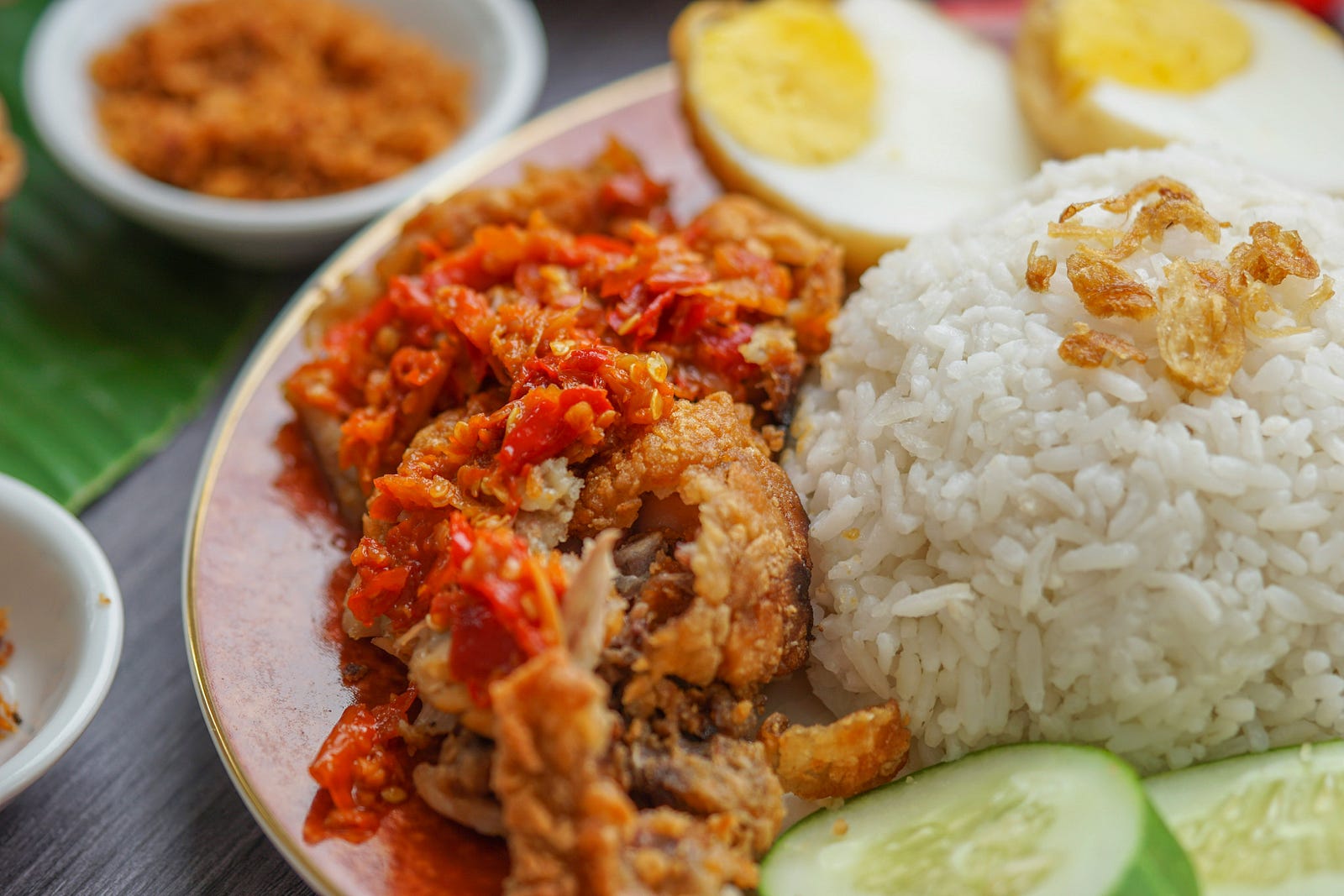
Rice is a staple food across many Asian countries, forming the cornerstone of daily meals and holding deep cultural significance. In fact, rice is such a staple that many older Asian folks would grumble about not feeling satisfied despite a full meal if rice is not on the table.
However, despite its integral role in the diet, there has been a troubling rise in diabetes cases in these regions, even amongst those who avoid sugary foods. This phenomenon prompts an important question: Why does consuming white rice contribute to the risk of diabetes, and what steps can be taken to address this issue?
To understand the impact of white rice on diabetes risk, it is crucial to delve into the concept of the glycaemic index (GI). The glycaemic index is a measure that ranks foods based on their effect on blood glucose levels. Foods are categorised on a scale from 0 to 100, with higher values indicating a more rapid increase in blood sugar after consumption. High-GI foods cause swift and significant spikes in blood glucose levels, which can lead to various metabolic issues over time.
White rice is a refined carbohydrate with a high glycaemic index. When consumed, it breaks down quickly into glucose in the bloodstream, leading to a rapid rise in blood sugar levels. This triggers the pancreas to release insulin, a hormone that helps manage blood glucose by facilitating its uptake into cells. Frequent consumption of high-GI foods, like white rice, causes repeated spikes in blood sugar, which can strain the pancreas and potentially lead to insulin resistance. Insulin resistance occurs when the body's cells become less responsive to insulin, forcing the pancreas to produce more of it. Over time, this can lead to type 2 diabetes, as the pancreas struggles to maintain adequate blood sugar control.
Moreover, white rice has a lower fibre content compared to whole grains. Fibre plays a crucial role in moderating the digestion and absorption of carbohydrates. It helps slow down the rate at which glucose enters the bloodstream, thereby preventing rapid increases in blood sugar levels. The lack of fibre in white rice means that glucose is absorbed more quickly, further elevating the risk of developing diabetes.
The problem is exacerbated by traditional dietary patterns in many Asian countries, where rice is consumed in large quantities and often constitutes the majority of each meal. This high intake of a high-GI food can result in consistently elevated blood sugar levels, heightening the risk of insulin resistance and diabetes. Even without additional sugary foods, the substantial amount of white rice consumed can significantly impact blood sugar control. Additionally, many traditional diets may lack diversity, focusing heavily on rice whilst not incorporating enough vegetables, fruits, or proteins that could help balance blood sugar levels and provide essential nutrients.
Addressing the Diabetes Issue
To address the diabetes risk associated with white rice, several strategies can be considered. One effective approach is to replace white rice with whole grains such as brown rice, quinoa, or barley. These alternatives have a lower glycaemic index and higher fibre content, which help to regulate blood sugar levels more effectively. Brown rice, in particular, contains more nutrients and fibre than white rice, contributing to better metabolic health.
Another strategy is to reduce portion sizes of rice consumed with each meal. By doing so, individuals can lower their overall carbohydrate intake and minimise the risk of blood sugar spikes.
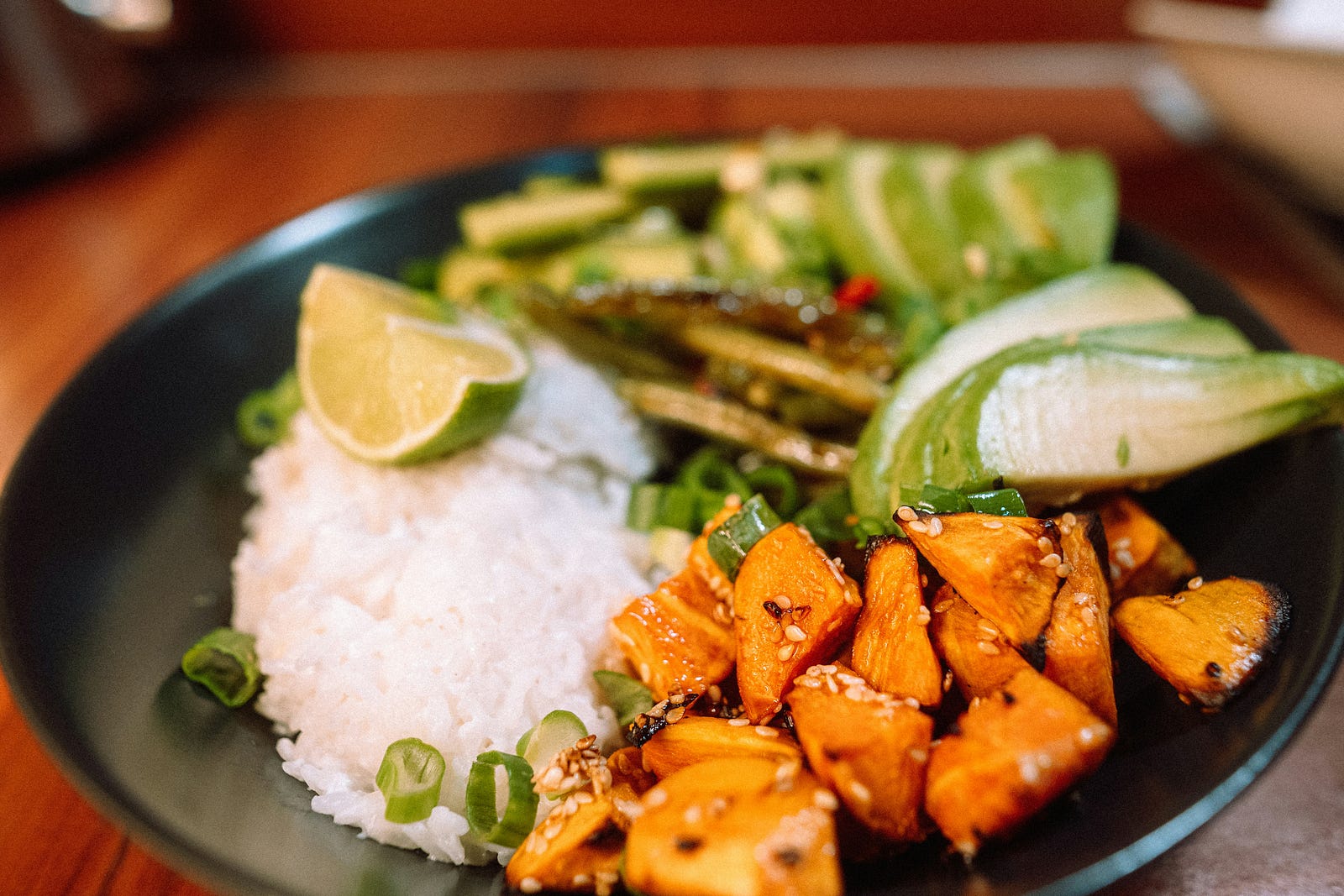
Complementing rice with larger portions of vegetables and lean proteins can also contribute to a more balanced meal. Increasing dietary diversity is another important step. Including a variety of foods, such as vegetables, legumes, and fruits, can help balance carbohydrate intake and provide a broader range of nutrients. This approach supports better blood sugar regulation and overall nutritional health.
Adopting certain cooking techniques can also help reduce the glycaemic impact of rice. For example, cooking rice and then cooling it before consumption can increase its resistant starch content, which lowers its glycaemic index. Additionally, pairing rice with high-fibre and protein-rich foods can moderate blood sugar spikes.
Raising awareness about the effects of high-GI foods and providing education on healthier dietary choices are crucial in preventing diabetes. Public health campaigns and nutrition education can help individuals make informed decisions about their diets. Incorporating healthier alternatives into traditional recipes can also help maintain cultural practices whilst promoting better health. For instance, using a blend of brown and white rice in traditional dishes can introduce healthier options without completely altering familiar meals.
In conclusion, whilst rice remains a beloved and essential component of many Asian diets, its role in contributing to diabetes risk when consumed in its refined form cannot be overlooked. By shifting to whole grains, controlling portion sizes, diversifying diets, and employing healthier cooking methods, individuals can reduce their diabetes risk whilst preserving cultural traditions. Balancing tradition with modern health considerations is key to achieving a nutritious and sustainable diet for the future.