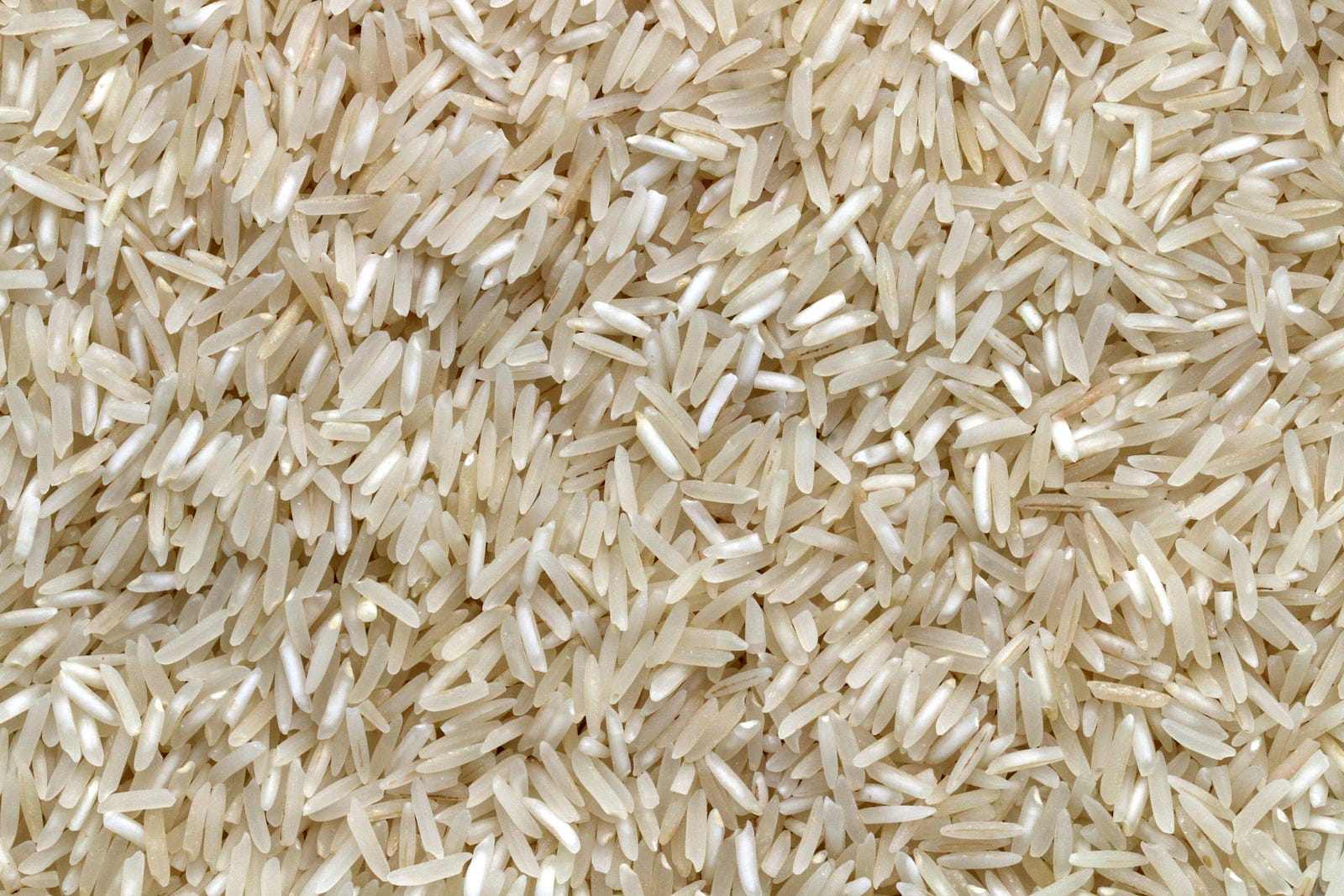
White rice is a staple in many Asian diets, valued for its affordability and ability to fill the stomach, with many Asian folks so reliant on rice that they would only feel satisfied after a meal if rice is included. However, growing health concerns on how consuming white rice can increase the risk of diabetes are leading more people to seek healthier alternatives. Here are some options to consider:
Brown Rice
Brown rice offers a nuttier flavour and chewier texture compared to white rice. It retains its bran and germ, providing more vitamins and minerals. Although it is slightly more expensive than white rice, brown rice remains affordable and is widely available in various forms.
Quinoa
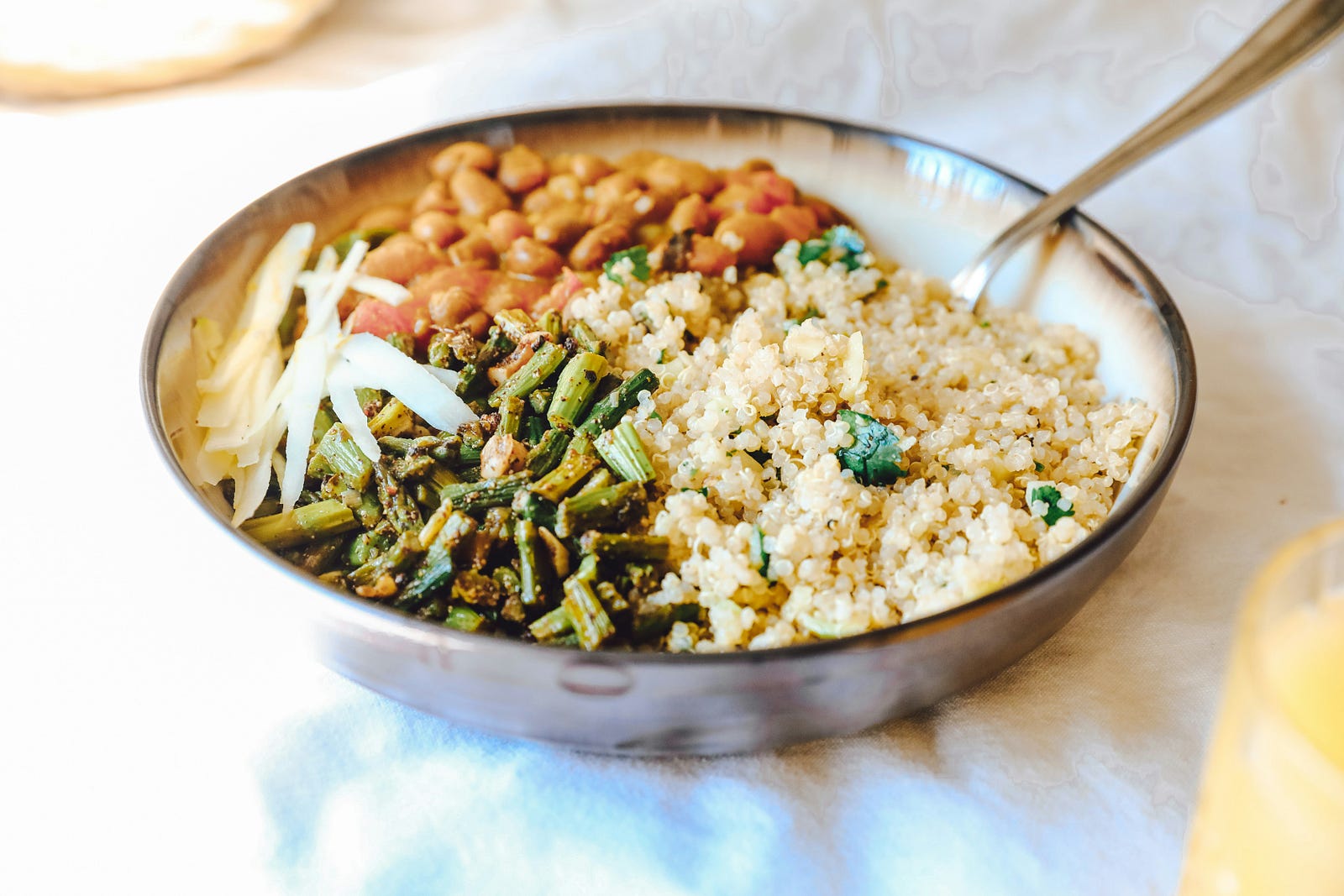
Quinoa has a light, fluffy texture and a subtle nutty taste. It is higher in protein than white rice but comes at a higher cost. Despite its price, quinoa is increasingly accessible in supermarkets and online.
Cauliflower Rice
Cauliflower rice is a low-carb alternative with a mild flavour that can mimic rice when cooked. It tends to be more expensive due to the cost of fresh cauliflower, but pre-packaged options are available at reasonable prices. Cauliflower rice can be found in many supermarkets, particularly in larger cities.
Millet
Millet has a mild, nutty flavour and a texture similar to rice. It is cost-effective, comparable in price to brown rice, and available in health food stores and some supermarkets.
Barley
Barley provides a chewy texture and nutty taste, making it suitable for soups and salads. It is generally less expensive than quinoa and similar in price to brown rice. Barley is widely available in supermarkets.
Sweet Potatoes
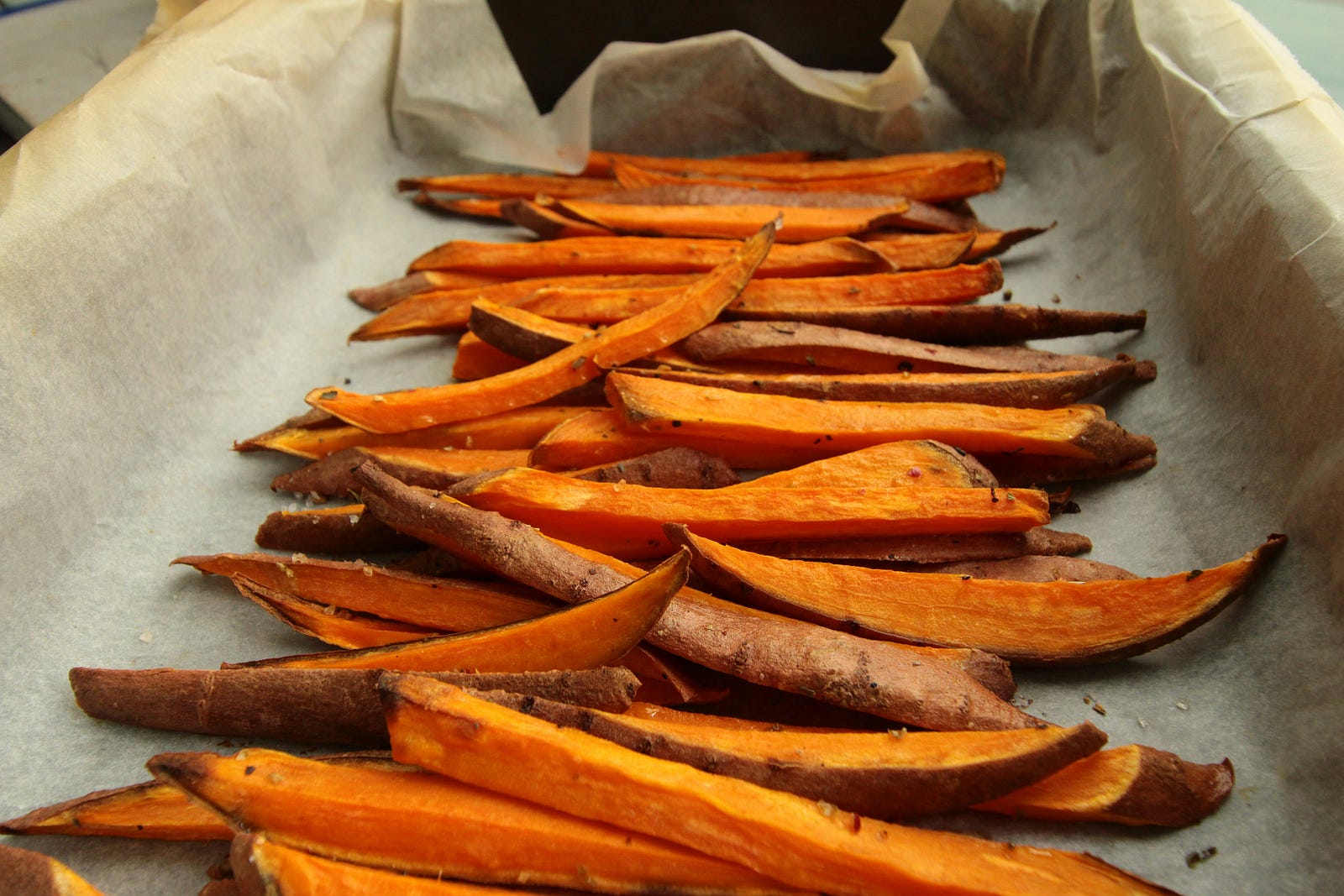
Sweet potatoes, while not a direct substitute for rice, offer a naturally sweet flavour and starchy texture. They are generally affordable and readily available in grocery stores and farmers' markets.
With all these alternatives, incorporating them into your diet is possible, adding variety and nutritional benefits to your dietary choices.