Editorial Note:
This article is an expanded and revised edition of a previously commissioned feature. It has been updated with practical, Singapore-relevant guidance on when breathing exercises help, how to measure results accurately at home, and which warning signs indicate that medical review should not be delayed.
Key takeaways (quick read):
- Breathing is supportive, not a substitute: it can reduce stress-related spikes, but persistent hypertension still requires proper assessment.
- Measurement matters: home readings are only useful if taken with consistent technique and timing.
- Think “daily practice”: 5–10 minutes is realistic, and benefits are strongest when paired with sleep, movement, and lower-salt eating patterns.
Quick action today: take one properly measured reading, then repeat after 5 minutes of slow breathing to observe the immediate difference.
High blood pressure, or hypertension, is a silent epidemic in Singapore. The 2023 National Population Health Survey revealed that 15% of adults aged 18 to 74 suffer from this condition, with prevalence increasing to 47.7% amongst those aged 70 to 74. Hypertension significantly raises the risk of heart disease and stroke. As the population navigates the challenges of fast-paced urban living and its associated stressors, finding effective yet simple ways to manage blood pressure is more crucial than ever. Amongst these, deep breathing emerges as a surprisingly powerful tool.
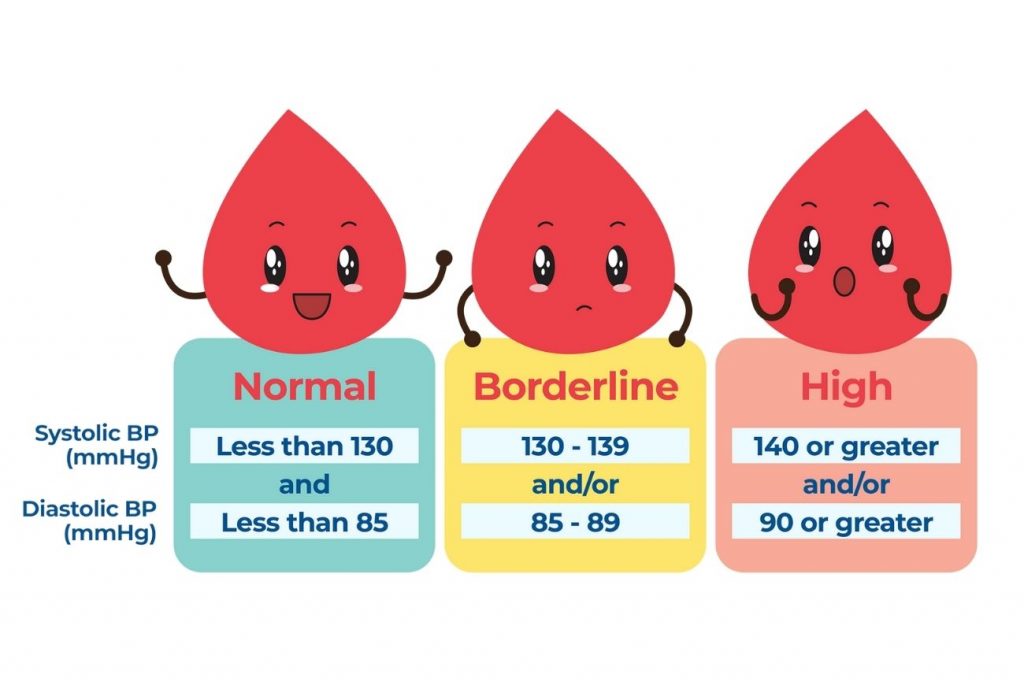
Breathing is an automatic process, yet the way we breathe profoundly influences our health. Stress and anxiety, common in Singapore’s high-pressure environment, often lead to shallow, rapid breathing. This response triggers the body’s fight-or-flight mechanism, raising heart rate and constricting blood vessels—both of which contribute to elevated blood pressure.
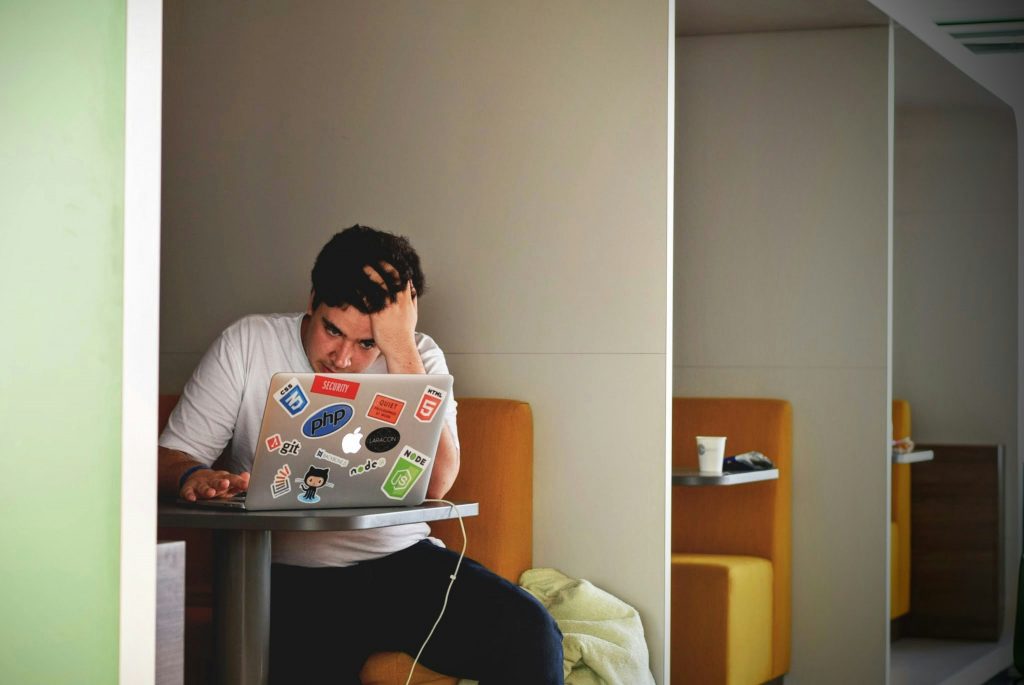
Deep breathing counteracts this response by activating the parasympathetic nervous system, which induces relaxation. This slows the heart rate, dilates blood vessels, and reduces the force of blood against arterial walls, leading to lower blood pressure. Studies have shown that practising deep breathing for just 10 minutes a day can result in measurable improvements in blood pressure, particularly in those with mild hypertension.
Living in a bustling metropolis comes with its share of stressors, from demanding work schedules to urban congestion. Chronic stress not only raises cortisol levels but also exacerbates hypertension risk. With one in three adults in Singapore already dealing with high blood pressure, lifestyle interventions like deep breathing can provide a much-needed respite.
By integrating breathing exercises into daily routines and using accurate blood pressure monitors, such as those offered by BUZUD, individuals can monitor their progress and reinforce the benefits of this simple practice.
The Science of Deep Breathing Techniques
Incorporating deep breathing exercises into your life doesn’t require much time or effort. Below are three methods proven to support cardiovascular health:
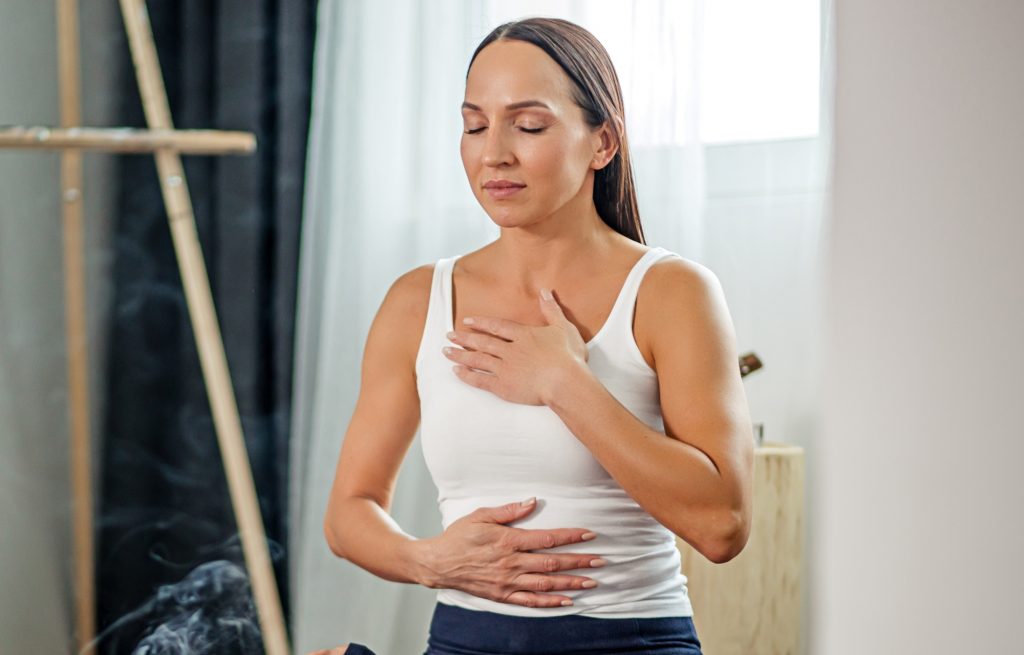
- Diaphragmatic Breathing: This technique involves focusing on the diaphragm, the muscle responsible for deep breaths. Sitting comfortably, place one hand on your chest and the other on your stomach. Inhale deeply through the nose, ensuring your stomach rises whilst your chest stays still. Exhale slowly through the mouth, repeating the process for 10 minutes daily to stabilise blood pressure.
- 4-7-8 Breathing: Inhale through your nose for four counts, hold your breath for seven counts, and exhale through your mouth for eight counts. This method not only reduces blood pressure but also calms the mind, making it a great way to wind down after a stressful day.
- Resonant Breathing: Aim to maintain a consistent breathing rhythm by inhaling for five seconds and exhaling for five seconds. This technique promotes a harmonious relationship between the respiratory and cardiovascular systems, optimising heart function and reducing stress-induced blood pressure spikes.
Deep breathing may lower blood pressure, but regular monitoring ensures you see and track the benefits. Using blood pressure monitors, you can measure changes in real-time, reinforcing your commitment to healthy habits. Taking readings before and after breathing sessions helps you understand the immediate and long-term effects, empowering you to take control of your cardiovascular health.
In a nation where over a third of adults battle high blood pressure, making small yet impactful changes can transform lives. Deep breathing is not just a relaxation tool—it’s a scientifically-backed method to improve cardiovascular health. When paired with reliable devices, it becomes a measurable and empowering strategy for better living.
So, the next time stress threatens to overwhelm you, remember: lowering your blood pressure is as easy as breathing. Take a deep breath, monitor your progress, and take one step closer to a healthier you.
How to Use Breathing Exercises (Without Overpromising Results)
Deep breathing can be a useful tool for reducing stress-driven blood pressure rises and improving relaxation. However, consistently elevated readings should be treated as a medical issue requiring proper follow-up, even if breathing exercises produce short-term improvements.
A simple 7-day routine (realistic and measurable)
- Pick a consistent time: ideally morning or evening, before bed.
- Set a timer for 5–10 minutes: inhale through the nose, exhale slowly (longer exhale than inhale if comfortable).
- Measure sensibly: take a reading before breathing (after sitting quietly for 5 minutes), then again 2–3 minutes after the session.
- Track trends, not single numbers: look for patterns across the week rather than reacting to one “high” day.
Home blood pressure technique (the common mistakes)
- Rest first: sit quietly for 5 minutes before measuring.
- Arm position: support the arm so the cuff is at heart level.
- No talking: conversation can push readings up.
- Repeat readings: take 2 readings 1 minute apart and record the average.
- Consistency: measure at similar times each day, especially if monitoring progress.
When not to “just breathe through it” (red flags)
Seek urgent medical attention if there is chest pain, severe shortness of breath, fainting, one-sided weakness, severe headache with confusion, or sudden vision changes. For non-urgent but important concerns (for example, repeated high readings over several days), arrange a medical review to discuss causes, cardiovascular risk, and whether medication or further tests are needed.
Frequently asked questions
How quickly can breathing lower blood pressure?
Some people notice a small drop immediately after a session, particularly if stress was driving the elevation. The more meaningful goal is improved control over time.
Can breathing replace medication?
Breathing techniques can support overall management, but medication decisions should be made with a clinician based on risk, readings, and underlying causes.
Medical note: This article is for general education and is not a substitute for medical advice. Individuals with known hypertension, heart disease, kidney disease, pregnancy, or who are on blood pressure medication should seek personalised guidance.
Editorial update: 22 February 2026 — expanded with a 7-day breathing routine, home monitoring technique, FAQs, and clear red-flag guidance.
Note: This piece was written as a commissioned feature and has appeared in other health and lifestyle platforms.