Editorial Note:
This article is an expanded and revised edition of a previously commissioned feature. It has been updated with Singapore-specific festive scenarios (buffets, potlucks, gatherings, and alcohol-related considerations) and a practical checklist to support steadier blood glucose management during the Christmas period.
Key takeaways (quick read):
- Do not “save up” calories by skipping meals — it can increase the risk of lows followed by spikes.
- Plan around the highest-sugar items (desserts, sweet drinks, cocktails) rather than trying to control everything at once.
- Prioritise sleep and hydration — both influence appetite, cravings, and glucose stability.
Quick action today: decide in advance on a “drink default” (water or unsweetened options) and a “dessert plan” (share, halve, or choose one item).
The Christmas season is a time for celebration, family, and festivities, but in Singapore, as in many parts of the world, it also brings health challenges. From indulgent feasts to disrupted routines, the festive period can have detrimental effects on physical well-being. Whilst the allure of seasonal treats brings joy, they also pose risks that Singaporeans should address proactively.
Christmas in Singapore is synonymous with decadent buffets, rich desserts, and holiday snacks. Traditional log cakes, roasted meats, and festive cocktails often dominate menus. These high-calorie, high-sugar, and high-fat foods can lead to overeating, weight gain, and a spike in blood sugar levels, especially for individuals with diabetes or other metabolic conditions.
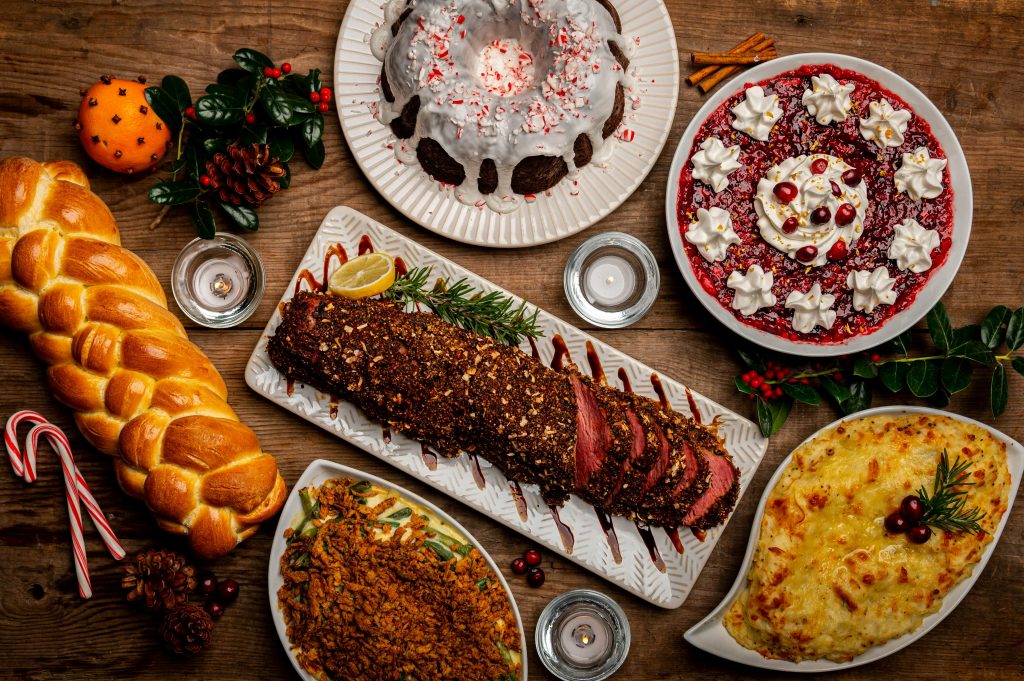
Navigating Festive Feasts Without Overeating
In a multicultural society like Singapore, where festive food traditions from diverse backgrounds converge, the temptation to indulge is even greater. Consistent overindulgence can strain the digestive system and contribute to long-term health issues such as obesity and cardiovascular problems. Striking a balance is key to enjoying the season without compromising health.
To manage this, consider practising portion control and opting for healthier alternatives such as baked, grilled, or steamed dishes instead of fried ones. Eating mindfully, by savouring your food slowly and paying attention to your body’s signals of fullness, can also help you avoid overeating whilst still enjoying festive favourites.
Balancing Sleep and Socialising

Holiday parties often include generous servings of alcohol, which can disrupt sleep patterns and lead to dehydration. Late nights at gatherings further exacerbate sleep deprivation, impacting energy levels, immunity, and overall physical health. Poor sleep quality during the festive season can also worsen chronic conditions such as hypertension and diabetes.
Setting boundaries on alcohol consumption and ensuring sufficient hydration can make a significant difference. Opting for refreshing non-alcoholic beverages instead of sugary cocktails is a healthier choice. Prioritising a regular sleep schedule, even during busy periods, is essential to maintaining both physical and mental well-being.
Managing Diabetes During Christmas
For individuals living with diabetes, the Christmas season can be particularly challenging. The combination of rich, sugary foods and disrupted routines often associated with festive celebrations can lead to poor blood glucose management, which may result in both short- and long-term health complications.
Traditional Christmas fare, from log cakes and Christmas pudding to sweetened beverages, contains excessive amounts of sugar that can cause rapid spikes in blood sugar levels. Savoury dishes, such as glazed meats and sauces, often contain hidden sugars that add up quickly. Singapore’s multicultural festive gatherings also feature sweet treats like pineapple tarts and kueh lapis, making it crucial for those managing diabetes or pre-diabetes to monitor portion sizes and choose lower-sugar alternatives.
Late-night parties, buffet-style dining, and long gaps between meals can disrupt an individual’s normal eating schedule. These irregular meal timings can destabilise blood sugar levels, as insulin production or medication schedules are designed around consistent eating habits. Skipping meals earlier in the day to ‘make room’ for a festive feast can worsen the issue, leading to hypoglycaemia (low blood sugar) followed by a dramatic spike.
Alcohol also poses additional risks for individuals with diabetes. It can interfere with the liver’s ability to regulate blood sugar, leading to dangerous drops if consumed on an empty stomach. Meanwhile, sugary cocktails and mixers can cause sudden spikes in glucose levels. Moderation and mindful choices, such as non-alcoholic beverages, can help minimise these risks.
For those on insulin therapy, managing the storage and transportation of insulin during the festive season can be challenging. Outdoor events, travel to visit family, or navigating crowded spaces can make it difficult to maintain the correct temperature for insulin storage, potentially reducing its effectiveness. Using tools like portable insulin cooler boxes can help prevent these issues.
Practical Christmas Checklist
The festive season in Singapore often includes buffets, grazing-style gatherings, sweet drinks, and late nights. The aim is not to avoid celebrations, but to reduce the common patterns that trigger large glucose swings: skipped meals, stacked sugars, and disrupted routines.
Before the event (10 minutes of planning)
- Do not arrive overly hungry: have a small protein/fibre snack beforehand if there will be a long gap between meals.
- Set two “non-negotiables”: e.g. water/unsweetened drinks as default, and a fixed dessert portion (share or choose one).
- If using insulin or glucose-lowering medication: confirm the usual timing plan and carry treatment for lows (as advised by a clinician).
At the buffet or potluck
- Use one-plate structure: start with vegetables, then protein, then carbohydrates and richer items.
- Watch “hidden sugar” foods: glazed meats, sweet sauces, gravies, and festive drinks can add up quickly.
- Choose one: if having dessert, keep drinks unsweetened; if having cocktails, scale back dessert.
- Eat seated where possible: grazing while standing encourages unconscious top-ups.
Alcohol: the simplified rule-set
Alcohol can increase the risk of hypoglycaemia, particularly on an empty stomach, and many mixers are high in sugar. A safer default is to avoid drinking on an empty stomach, pace intake, and choose lower-sugar options where possible.
Frequently asked questions
Is it better to skip lunch to “make room” for dinner?
Generally, no. Skipping meals can destabilise blood glucose and increase overeating later. A lighter, balanced meal earlier in the day is often easier to manage.
What is the single biggest festive trap?
Sweet drinks (including cocktails and sweetened coffee/tea). They add sugar quickly without creating fullness.
What if routines are disrupted for several days?
Reset with two basics: consistent meal timing and unsweetened drinks. Add a short daily walk after the largest meal where feasible.
Summary: three high-impact actions
- Keep meals regular; avoid arriving at events overly hungry.
- Pick a default drink (water/unsweetened) and a single “treat plan”.
- Protect sleep and hydration to reduce cravings and glucose variability.
Medical note: This article is for general education and is not a substitute for medical advice. Those with diabetes, pre-diabetes, pregnancy, or who are on glucose-lowering medication should seek personalised guidance from a qualified healthcare professional, particularly regarding alcohol intake and medication timing.
Editorial update: 22 February 2026 — expanded with a Singapore festive checklist, buffet strategies, alcohol considerations, and FAQs.
Note: This piece was written as a commissioned feature and has appeared in other health and lifestyle platforms.