Editorial Note:
This article is an expanded and revised edition of a previously commissioned feature. It has been updated with clearer, Singapore-relevant examples (rice/noodles, kopi/teh, common snacks) and a more practical distinction between the Glycaemic Index (GI) and portion size so readers can apply the concept without obsessing over numbers.
Key takeaways (quick read):
- GI is about speed (how fast carbs raise glucose), not “good vs bad” foods.
- Portion still matters: a low-GI food in a large portion can still push glucose up.
- Pairing works: protein, fibre and healthy fats can soften the rise from higher-GI foods.
Quick action today: pick one “easy swap” you can repeat (e.g. add vegetables + protein before carbs, or switch to unsweetened drinks).
Have you ever wondered why some foods leave you feeling energised for hours whilst others make you crash soon after eating? The answer might lie in something called the Glycaemic Index (GI). If you have diabetes, are at risk of developing it, or simply want to improve your health, understanding the GI can make a big difference.
Let's break it down in simple terms. The GI measures how quickly and how much a food raises your blood sugar levels after you eat it. Foods are ranked on a scale from 0 to 100. Those with a low GI (55 or less) cause a slow, steady rise in blood sugar, whilst high-GI foods (70 or more) cause a rapid spike. Medium-GI foods fall somewhere in between. For anyone managing their blood sugar—and especially for people with diabetes—this is crucial information.
Why does this matter so much? When you eat foods that cause rapid blood sugar spikes, your body has to work harder to bring those levels down. Over time, this can strain your system and lead to complications like nerve damage, heart disease, and kidney problems. On the other hand, low-GI foods provide a more stable source of energy, helping you maintain balanced blood sugar levels.
What Makes the GI So Important?
Here are some key things to know about the GI:
- It applies only to carbohydrate-containing foods. Protein- and fat-rich foods don't have a GI.
- Portion size matters. Even low-GI foods can impact your blood sugar if eaten in large quantities.
- Cooking methods can change the GI of a food. For example, pasta cooked al dente has a lower GI than soft, overcooked pasta.
- Eating a high-GI food with low-GI options or adding protein, fibre, or healthy fats can reduce the overall effect on your blood sugar.
- Individual responses vary. Your age, activity level, and metabolism can all affect how your body reacts to different foods.
How Can Understanding the GI Help You?
By paying attention to the GI of foods, you can make smarter choices that align with your health goals. For people with diabetes, this can mean fewer blood sugar spikes and a reduced risk of complications. But even if you don't have diabetes, choosing low-GI foods can provide sustained energy, help with weight management, and improve overall health.
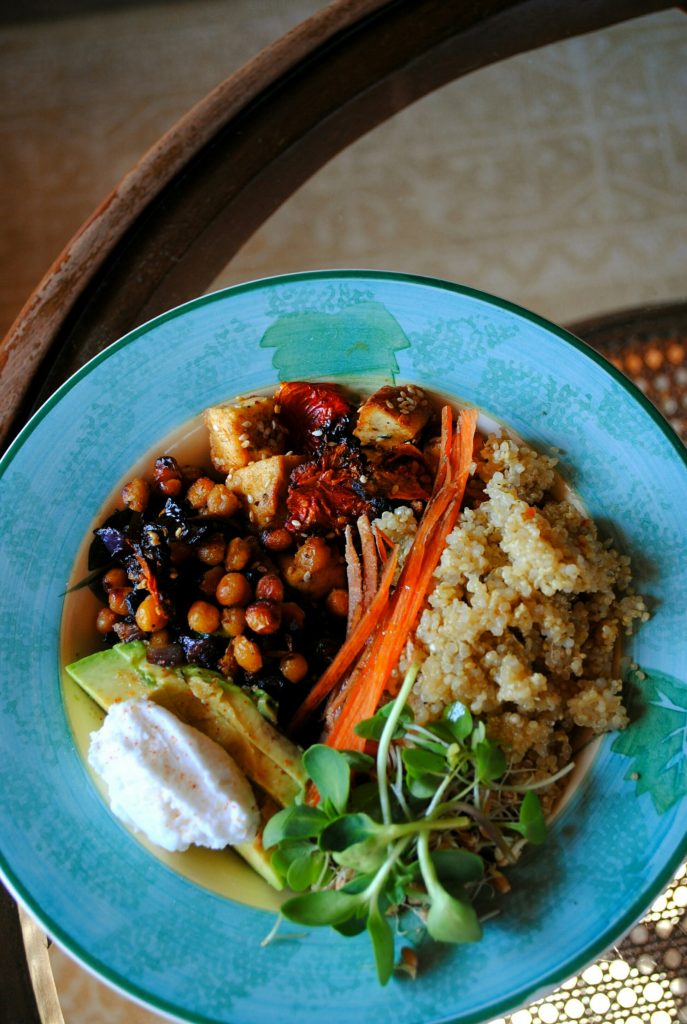
For example, swapping out high-GI white bread for wholegrain bread or choosing sweet potatoes instead of regular potatoes are simple changes that can have a big impact. Low-GI foods like rolled oats, lentils, apples, and carrots can keep you feeling full and energised for longer. Meanwhile, high-GI options like sugary drinks and white rice should be eaten in moderation.
Making the GI Work for You
Understanding the GI doesn't mean you need to memorise a long list of foods and their rankings. Instead, focus on simple, practical strategies to include more low- and medium-GI foods in your daily meals. For instance, swap out high-GI options like white bread or sugary snacks for wholegrain bread or fresh fruits.
When you do choose high-GI foods, balance their effects by pairing them with protein, fibre, or healthy fats. For example, if you're having white rice, try combining it with grilled chicken and a generous portion of steamed vegetables. This not only lowers the overall glycaemic impact of the meal but also adds important nutrients and keeps you feeling full longer.
Fibre is a particularly powerful ally. Fibre-rich foods such as beans, lentils, whole grains, and a variety of vegetables not only lower the GI of a meal but also support better digestion and sustained energy levels. Including these foods regularly in your diet can make a noticeable difference in managing your blood sugar.
Taking Control of Your Health
The Glycaemic Index is a powerful tool that can help you take charge of your health. By understanding how different foods affect your blood sugar, you can make informed choices that support your body. Whether you're managing diabetes or just aiming for a healthier lifestyle, the GI offers a simple way to stay on track and feel your best.
So next time you're planning a meal or snack, think about the GI. It's not just about what you eat—it's about how those foods help you live better every day.
Making the Glycaemic Index Work in Real Life (Singapore-friendly)
GI is most useful as a decision tool, not a strict rulebook. Instead of trying to memorise numbers, focus on repeatable habits that reduce sharp spikes, especially if you are managing diabetes, pre-diabetes, or insulin resistance.
GI vs Glycaemic Load (why portion size still matters)
GI describes how quickly a carbohydrate raises blood glucose. But your body responds to the overall amount of carbohydrate too. This is why portion size and the rest of the plate matter: a modest portion of higher-GI food can be easier to manage than a large portion of any carb, even if it is “healthier” on paper.
A simple “plate” strategy (no counting required)
- Start with vegetables (fibre slows absorption).
- Add protein (helps satiety and steadier glucose).
- Then add carbs (smaller portion, more controlled impact).
Common Singapore scenarios (practical adjustments)
- Rice/noodles meals: keep carbs to a sensible portion, add extra vegetables, and include a protein (egg, tofu, fish, chicken where suitable).
- Kopi/teh habit: sweetened drinks can outpace food as a glucose trigger; shifting to less sugar or unsweetened options is often high impact.
- Snacks: choose options that combine fibre/protein (rather than “naked carbs”) to reduce rapid spikes and rebound hunger.
Three “pairing” rules that usually help
- Carbs + fibre: add vegetables, beans, or wholegrains where appropriate.
- Carbs + protein: eggs, fish, tofu, chicken, yoghurt, etc.
- Carbs + healthy fats: nuts, seeds, avocado, olive oil (in reasonable portions).
Frequently asked questions
Do I have to avoid all high-GI foods?
Not necessarily. Many people do better by adjusting portion size and using pairing, rather than banning foods entirely.
Why does the same food affect different people differently?
Sleep, stress, activity level, medication, and even what you ate earlier can change glucose responses. GI is a guide, not a guarantee.
Is brown rice always the better option?
It can help some people because of fibre, but the biggest wins often come from overall plate balance and total portion, not a single swap.
Medical note: This article is for general education and is not a substitute for medical advice. If you have diabetes, are pregnant, or take glucose-lowering medication, seek personalised guidance on meal planning and monitoring.
Editorial update: 22 February 2026 — expanded with a GI vs portion explanation, Singapore meal scenarios, pairing rules, and FAQs.
Note: This piece was written as a commissioned feature and has appeared in other health and lifestyle platforms.