Editorial Note:
This article is an expanded and revised edition of a previously commissioned feature. It has been updated to emphasise actionable early-detection steps for readers, including what symptoms are most often missed, why “no symptoms” is common in early Type 2 diabetes, and how to prepare for a doctor’s visit or screening conversation.
Key takeaways (quick read):
- Early diabetes can be quiet: many people feel “mostly fine” until complications begin.
- Clusters matter: thirst + frequent urination + fatigue (or slow healing/infections) is worth checking, not ignoring.
- Testing beats guessing: screening and follow-up are the safest route, especially with risk factors or family history.
Quick action today: if you recognise two or more signs below, set a reminder to arrange a screening discussion with a healthcare professional.
Diabetes is a chronic condition that affects millions of people worldwide, yet many individuals remain undiagnosed until complications arise. Early detection is critical in preventing long-term health issues, but the early signs of diabetes are often subtle and easy to overlook. Understanding these warning signs and taking proactive steps can make a significant difference in managing the condition and improving overall health outcomes.

Diabetes occurs when the body either doesn't produce enough insulin or cannot effectively use the insulin it produces. This leads to elevated blood sugar levels, which, over time, can damage organs, nerves, and blood vessels. There are two main types of diabetes: Type 1, an autoimmune condition where the body attacks insulin-producing cells, and Type 2, which is often linked to lifestyle factors and occurs when the body becomes resistant to insulin or doesn't produce enough of it. Both types can have serious health consequences if left untreated, making early detection crucial.
Recognising the Silent Signs of Diabetes
The early symptoms of diabetes can be mild and non-specific, which is why many people fail to recognise them. One of the most common signs is frequent urination, especially at night. This occurs because high blood sugar levels force the kidneys to work harder to filter and absorb excess glucose, leading to increased urination. Alongside this, many individuals experience excessive thirst, as the body tries to compensate for the fluid loss caused by frequent urination.
Unexplained weight loss is another potential indicator of diabetes. Even if a person is eating normally, they may lose weight because the body starts breaking down fat and muscle for energy when it cannot access glucose effectively. Fatigue is also a common symptom, as high blood sugar levels interfere with the body's ability to use glucose for energy, leaving individuals feeling constantly tired.
Blurred vision can occur when elevated blood sugar causes swelling in the lenses of the eyes, leading to temporary changes in vision. Additionally, slow-healing wounds or frequent infections may signal diabetes, as high blood sugar impairs the immune system and slows the healing process. Some people also experience tingling or numbness in their hands and feet, a condition known as diabetic neuropathy, which results from nerve damage caused by prolonged high blood sugar levels.
These symptoms may seem minor or unrelated, but together they can point to an underlying issue. Recognising these signs early and seeking medical advice can help prevent the progression of diabetes and its associated complications.
The Importance of Early Detection
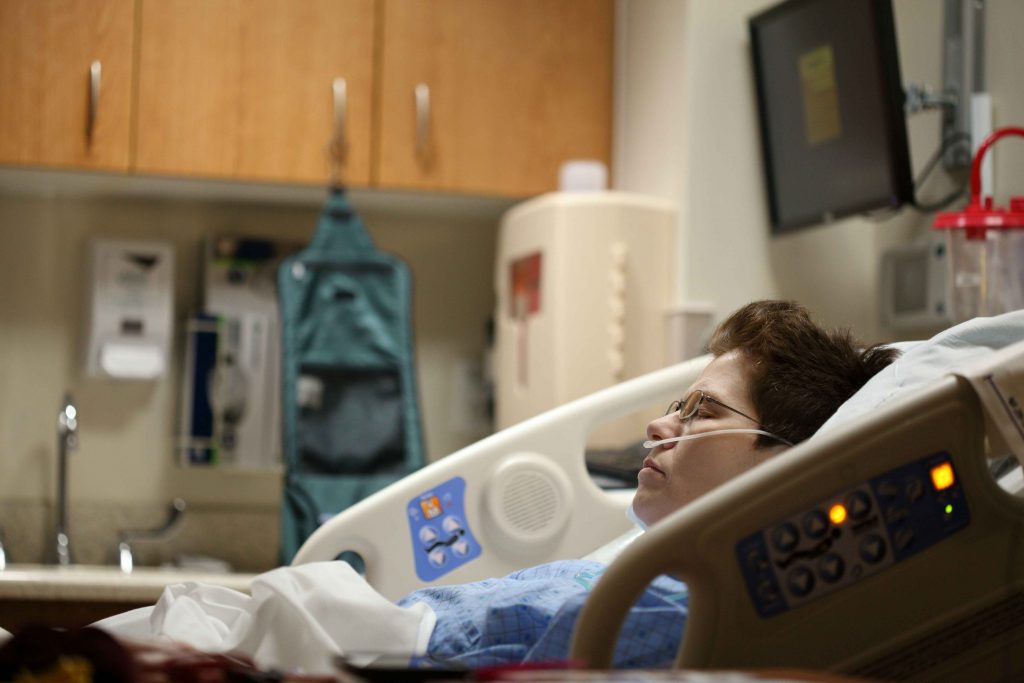
Undiagnosed or poorly managed diabetes can lead to severe complications over time. These include heart disease, stroke, kidney damage, nerve damage, vision loss, and foot problems such as ulcers or infections. However, early detection allows individuals to take proactive steps to manage their condition, reducing the risk of these complications. Lifestyle changes, medication, and regular monitoring can make a significant difference in long-term health outcomes.
Taking Control of Your Health
Whether you are at risk of developing diabetes or already managing the condition, there are steps you can take to improve your health. A balanced diet that focuses on whole foods, lean proteins, healthy fats, and complex carbohydrates can help stabilise blood sugar levels. Regular exercise is also essential, as it improves insulin sensitivity and helps maintain a healthy weight. Stress management is another important factor, as chronic stress can negatively impact blood sugar levels. Techniques such as meditation, yoga, or simply taking time to relax can make a big difference.
Routine health check-ups are vital for early detection. Blood tests such as fasting glucose or HbA1c can help identify diabetes or pre-diabetes before symptoms become severe. For those already diagnosed, tools like CGMs can provide invaluable insights into blood sugar management, reducing the need for frequent finger-prick tests and offering a clearer picture of overall health.
Diabetes is a serious condition, but it doesn't have to be a life sentence. By recognising the silent signs of diabetes and taking advantage of modern tools like a Continuous Glucose Monitor (CGM), individuals can take control of their health and prevent complications. If you are experiencing any of the symptoms mentioned or have a family history of diabetes, it's important to consult a healthcare professional. Early detection and proactive management can make all the difference in living a healthier, more fulfilling life.
Early Detection: A Practical Self-Check and Screening Prep
One reason diabetes causes harm is that people often wait for “obvious” symptoms. In reality, early Type 2 diabetes and pre-diabetes can develop gradually, and the body compensates for a long time. The goal is to treat testing as routine health maintenance, not a last resort.
A quick self-check (symptoms people commonly brush off)
- Needing to urinate more often, especially at night
- Feeling unusually thirsty or having a persistently dry mouth
- Fatigue that feels out of proportion to sleep or workload
- Blurred vision that comes and goes
- Slow-healing cuts, recurrent skin issues, or frequent infections
- Tingling, numbness, or burning sensations in hands/feet
- Unexplained weight loss despite eating normally
Risk factors that warrant earlier attention
Even without clear symptoms, consider a screening conversation if you have a family history of diabetes, a history of gestational diabetes, central weight gain, high blood pressure or cholesterol, sedentary lifestyle, or if you have previously been told you are “borderline”.
What to ask at a screening visit (to make it efficient)
- Which test(s) are appropriate for me (for example, fasting glucose and/or HbA1c), and when should I repeat them?
- What target range should I aim for based on my age and risk profile?
- If results are “pre-diabetes”, what is the plan for the next 3–6 months (diet, activity, weight, follow-up testing)?
- Do I need checks for blood pressure, lipids, kidney function, eye health, or foot health?
If you are using a CGM (or considering one)
A CGM can help some people spot patterns (for example, which meals cause the biggest spikes, and how sleep or stress affects readings). It is most useful when paired with clinical guidance and a plan for what to change based on the data.
Frequently asked questions
If I feel fine, can I still have diabetes?
Yes. Many people have no obvious symptoms early on, which is why screening is important when risk factors are present.
Is one symptom enough to worry?
Symptoms have many causes, but a cluster (for example, thirst + frequent urination + fatigue) is worth checking rather than waiting.
Medical note: This article is for general education and is not a substitute for medical advice. Seek urgent medical attention for severe symptoms (confusion, fainting, chest pain, severe shortness of breath, signs of stroke), or if you are pregnant and concerned about glucose levels.
Editorial update: 22 February 2026 — expanded with symptom clustering, risk-factor prompts, screening questions, and CGM-use guidance.
Note: This piece was written as a commissioned feature and has appeared in other health and lifestyle platforms.