Editorial Note:
This article is an expanded and revised edition of a previously commissioned feature. It has been updated to make the “hidden calories” idea more usable in real life: think portion cues, how quickly snacks add up, and a simple method for choosing what to enjoy without turning the holidays into a tracking exercise.
Key takeaways (quick read):
- Small bites add up fast: calorie-dense festive snacks can equal a meal before you notice.
- Pick your “must-haves”: deciding in advance prevents mindless grazing.
- Balance, don’t ban: pair richer treats with protein, fibre, and water to stay satisfied.
Quick action today: choose one snack you will enjoy fully, then set a portion limit for everything else (for example, “two pieces, then pause”).
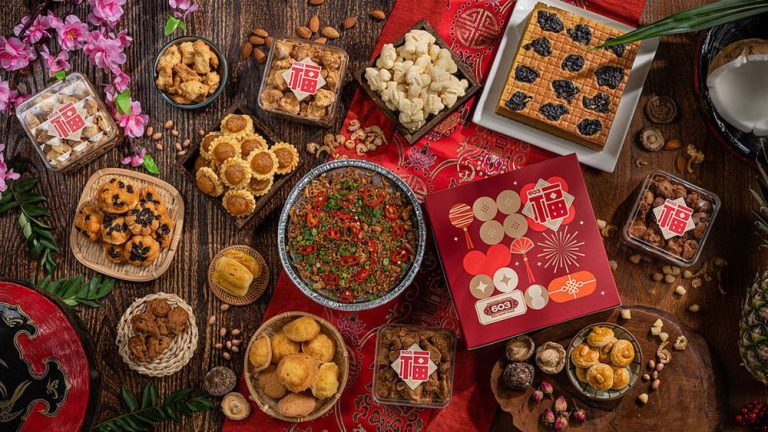
Chinese New Year (CNY) is a time of joyful reunions, traditions, and, perhaps most notably, feasting. Homes are stocked with an array of snacks and treats, each carrying symbolic meanings of prosperity, happiness, and good fortune. Whilst these festive bites are delicious and integral to the celebration, many of them come with hidden calories, sugar, and fat. Let's dive into the details of these secretly sinful treats and how to enjoy them without guilt.
Pineapple Tarts: Sweet Wealth in Every Bite
Pineapple tarts, beloved for their crumbly crust and sweet filling, are a staple during Chinese New Year. Their name, ong lai in Hokkien, translates to "fortune comes", making them a must-have on every snack table. However, these tiny pastries are calorie-rich, with each tart containing about 80 to 100 calories, 4 to 6 grammes of sugar, and 4 to 5 grammes of fat. Consuming five in one sitting can easily amount to 500 calories, the equivalent of a light meal.
Bak Kwa: The Smoky and Savoury Indulgence
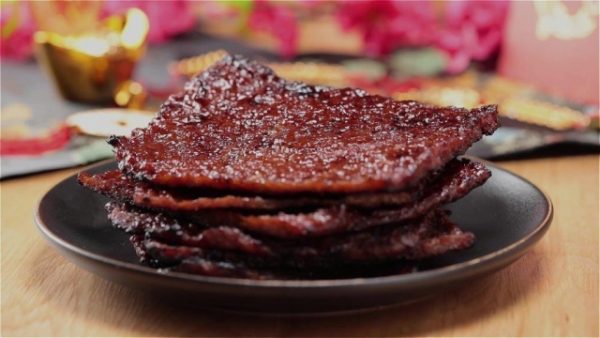
A quintessential festive treat, bak kwa, or barbecued pork, is hard to resist with its smoky aroma and sweet-savoury glaze. However, it's also one of the most calorie-dense CNY foods. A single slice of bak kwa, weighing about 50 grammes, packs a whopping 230 to 300 calories. It also contains around 17 to 25 grammes of sugar and 600 to 800 milligrammes of sodium. Eating just three slices could surpass half the daily caloric intake for an average adult.
Love Letters: Crispy, Light, and Lethal
Delicate and crispy, love letters are a crowd favourite. These wafer-thin rolls are made with sugar, eggs, and coconut milk, creating a deceptively light texture. Each roll contains about 35 to 40 calories, with 2 to 3 grammes of sugar and 1.5 to 2 grammes of fat. A single serving of 10 rolls can add up to 350 to 400 calories, which is similar to a full bowl of noodles.
Peanut Cookies: Crumbly Treats That Pack a Punch
Peanut cookies are a delightful combination of roasted peanuts, sugar, and butter, often enhanced with lard to achieve their melt-in-the-mouth texture. Each small cookie contains around 50 to 60 calories, with 3 to 4 grammes of sugar and fat. Whilst they are bite-sized, eating 10 cookies—a common scenario during CNY gatherings—can contribute over 500 calories to your daily intake.
Fried Prawn Rolls: A Savoury Snack That Adds Up
Fried prawn rolls are tiny but packed with flavour, thanks to their prawn paste filling and crispy shell. Unfortunately, their deep-fried nature makes them calorie-dense, with a handful (10 pieces) containing about 200 to 250 calories, 10 to 12 grammes of fat, and 200 to 300 milligrammes of sodium. Their addictive crunch makes it easy to consume more than intended, so it's wise to enjoy them sparingly.
Yu Sheng: A Prosperity Salad with a Caloric Twist
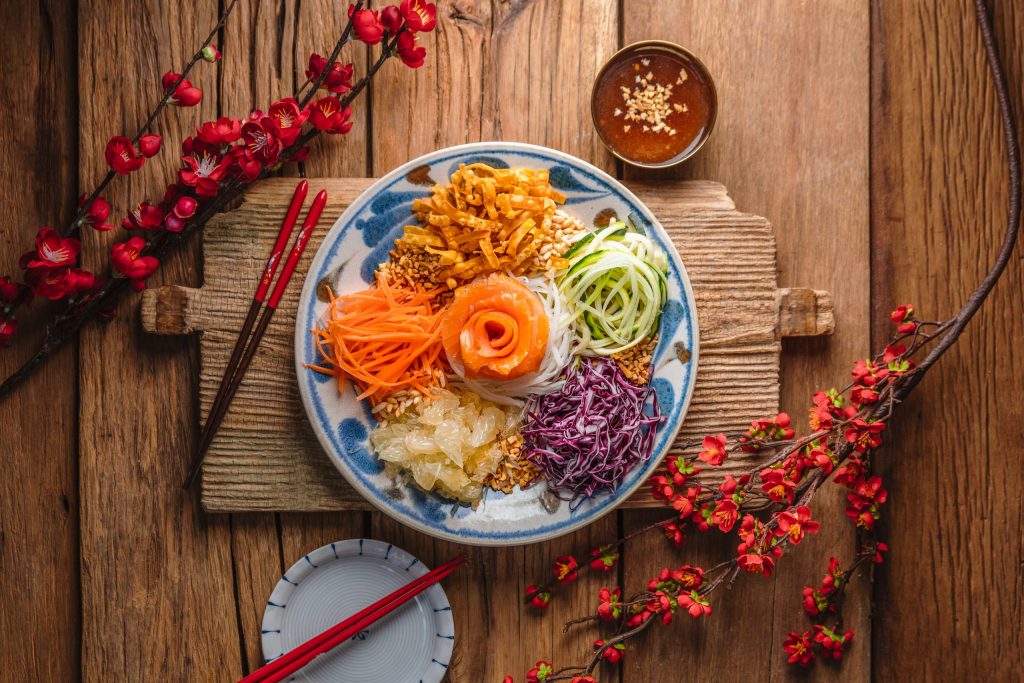
Yu Sheng is a symbolic dish representing prosperity, featuring a mix of shredded vegetables, crackers, and a sweet plum sauce. Whilst its vegetable base appears healthy, the added dressings and toppings can make it calorie-heavy. A typical serving contains between 400 and 600 calories, with 20 to 30 grammes of sugar and 10 to 15 grammes of fat. Reducing the amount of sauce and crackers can significantly lighten this dish.
Kuih Bangkit: Light but Luscious
Kuih Bangkit, a traditional tapioca cookie, is light and airy but surprisingly calorie-rich due to its coconut milk and sugar content. Each cookie contains about 30 to 40 calories, making it easy to consume 10 or more in one sitting. This adds up to 300 to 400 calories, equivalent to a small latte with whipped cream.
Nian Gao: Sticky, Sweet, and Sneaky
Nian Gao, or sticky rice cake, is a classic CNY delicacy symbolising progress and prosperity. Steamed versions contain about 150 to 200 calories per slice, whilst fried versions can reach 250 to 300 calories due to added oil. Its high sugar content, around 12 to 15 grammes per slice, makes it a treat best enjoyed in moderation.
Fried Arrowhead Chips: A Crispy Calorie Trap
These homemade chips, made from thinly sliced arrowhead root, are deep-fried to perfection. Whilst undeniably tasty, a serving of 30 grammes can contain 150 to 180 calories, with 8 to 10 grammes of fat and 200 to 250 milligrammes of sodium. Given their addictive nature, finishing a small tub of 100 grammes can mean consuming over 500 calories in one sitting.
Sesame Balls (Jian Dui): A Chewy Calorie Bomb
Sesame balls are made from glutinous rice flour, filled with sweet pastes like red bean or lotus seed, and deep-fried to golden perfection. Each ball contains about 100 to 150 calories, with 6 to 8 grammes of sugar and 5 to 7 grammes of fat. Eating just three sesame balls can contribute nearly 450 calories to your day.
Balancing Indulgence with Moderation
Chinese New Year is a celebration of abundance, but it's possible to enjoy the festivities without overindulging. Being mindful of portion sizes and making healthier choices can go a long way. Using smaller plates, drinking water between snacks, and balancing high-calorie treats with healthier options like mandarin oranges or unsalted nuts can help maintain a balance. Additionally, exercising regularly and staying hydrated will also keep you feeling energised throughout the celebrations.
For those with chronic conditions like diabetes or hypertension, keeping track of your health during the festive season is crucial. BUZUD offers innovative devices, such as blood pressure monitors and Continuous Glucose Monitors, to help you stay in control whilst enjoying the celebrations.
Celebrating Chinese New Year doesn't have to mean compromising your health. By enjoying treats mindfully and incorporating BUZUD's trusted products into your routine, you can savour the festive spirit whilst staying on track with your wellness goals.
Happy Chinese New Year! May it be a prosperous and healthy one for you and your loved ones!
How to Enjoy Festive Snacks Without the “Calorie Creep”
Festive foods are not “bad” — the problem is that many traditional treats are energy-dense, easy to eat quickly, and often come in small pieces that do not feel like much. A helpful mindset is to manage the pattern (grazing), rather than micromanage every gramme.
1) Use the “choose, portion, pause” method
- Choose: decide what you genuinely want (your “top 1–2” treats), instead of eating everything available.
- Portion: put it on a small plate/bowl — avoid eating straight from the container.
- Pause: wait 10–15 minutes before going back for more; cravings often soften once you have slowed down.
2) Watch the three “stealth multipliers”
- Sugar + fat together: this combo makes foods very easy to overeat.
- Glazes and sauces: sweet savoury items can be high in both sugar and sodium.
- Refills: “just one more” is usually where totals jump.
3) Build a “satisfaction buffer” first
If you are heading into a snack-heavy gathering, start with something that improves satiety: water, fruit, protein (eggs, yoghurt, tofu, lean meats), and high-fibre foods. You are more likely to stop naturally when you are not starting from “starving”.
4) If you have diabetes, pre-diabetes, or hypertension
The biggest practical risk is the combination of frequent nibbling and sweetened drinks, which can keep glucose elevated for hours. Consider keeping drinks unsweetened most of the time, limiting “treat windows” (for example, dessert after a meal rather than all afternoon), and monitoring as advised by your clinician.
Frequently asked questions
Do I need to track calories to avoid weight gain?
Not always. Many people do well with a few consistent rules: portion to a plate, pick favourites, and avoid continuous grazing.
What is the simplest way to stop mindless snacking?
Keep treats out of arm’s reach, use a small plate, and decide your portion before you start eating.
Medical note: This article is for general education and is not a substitute for medical advice. If you have diabetes, pre-diabetes, kidney disease, or are on a specific dietary plan, seek personalised guidance on portions and monitoring.
Editorial update: 22 February 2026 — expanded with portion cues, a practical “choose-portion-pause” framework, and guidance for chronic conditions.
Note: This piece was written as a commissioned feature and has appeared in other health and lifestyle platforms.