Editorial Note:
This article is an expanded and revised edition of a previously commissioned feature. It has been updated with clearer, kitchen-safe steps, storage guidance, and a gentle reality check on what “traditional remedies” can (and cannot) do — so readers can reduce food waste and enjoy these ideas responsibly.
Key takeaways (quick read):
- Use what you have: surplus mandarins can become spreads, warm drinks, or light soups instead of going to waste.
- Mind the sugar: jam and “tonic-style” recipes can quietly become dessert-level sweet unless you adjust.
- Supportive, not curative: these are comfort foods; seek medical advice for persistent or severe symptoms.
Quick action today: set aside a “use-first” bowl of softer mandarins and plan one recipe within 48 hours.
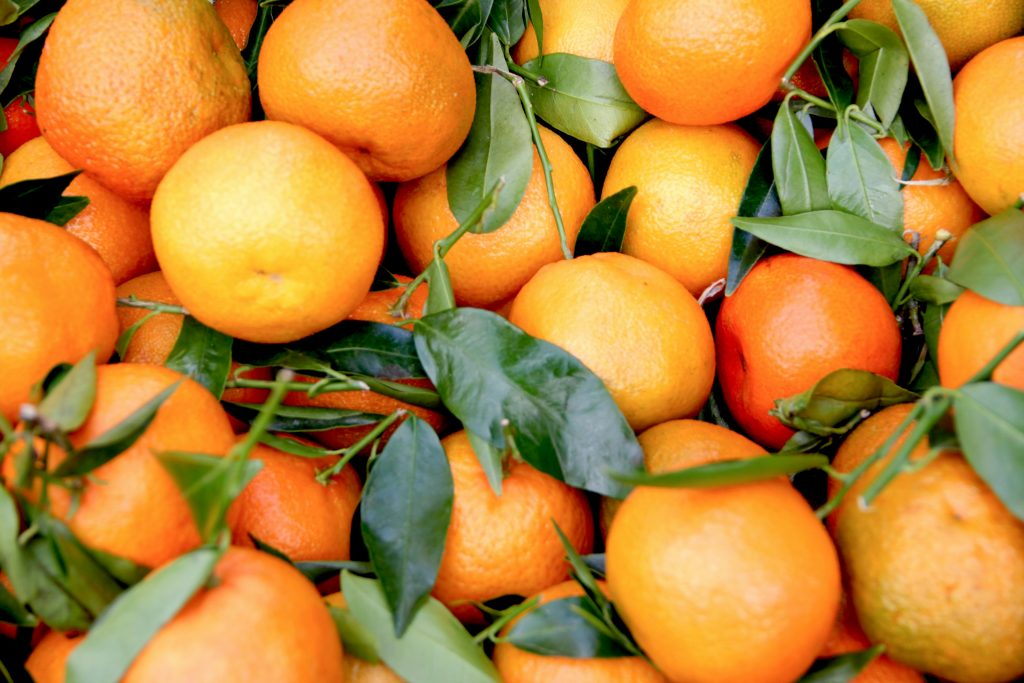
The Lunar New Year often brings an abundance of mandarin oranges, a symbol of prosperity and good fortune. However, as the celebrations wind down, many households find themselves with an excess of these citrus fruits. Instead of letting them go to waste, why not transform them into delicious and health-boosting remedies? Here are three creative and nutritious ways to repurpose leftover mandarin oranges, inspired by traditional Chinese medicine.
Mandarin Orange Jam: A Sweet Remedy for Coughs and Indigestion
Mandarin orange jam is not only a delightful spread but also a natural remedy for those suffering from coughs, indigestion, or food stagnation. The process is simple and requires minimal ingredients.
How to Make It:
- Blend the mandarin orange flesh into a smooth purée.
- Cook the purée over medium-low heat until the juice begins to release. Avoid adding water.
- Add a touch of lemon juice and sweeten with rock sugar (or skip the sugar for a healthier option).
- Simmer the mixture for 1-2 hours, stirring frequently to prevent burning.
- Once thickened, store the jam in a sterilised glass jar.
This jam is a versatile addition to your pantry, perfect for spreading on toast or mixing into yoghurt. However, those with diabetes should avoid adding sugar to the recipe.
Mandarin Orange Soup: A Nourishing Boost for Immunity
For those feeling fatigued or in need of an immune system boost, mandarin orange soup is a comforting and restorative option. This recipe is particularly beneficial for older adults or individuals with low energy levels.
How to Make It:
- Combine the flesh of one mandarin orange with 10 grammes each of red dates and goji berries.
- Add water and simmer the mixture gently.
- For added texture and nutrition, include 15 grammes of white fungus (silver ear mushroom).
- Sweeten with rock sugar or honey to taste.
This soup is not only warming but also packed with antioxidants and nutrients that support overall health. It's a great way to incorporate traditional Chinese medicinal ingredients into your diet.
Mandarin Orange Milk: A Gentle Aid for Digestion
If you often experience digestive discomfort or have a sensitive stomach, mandarin orange milk is a soothing beverage to try. The combination of citrus and milk may sound unconventional, but it's surprisingly effective.
How to Make It:
- Gently warm a glass of milk.
- Stir in the flesh of a mandarin orange until well combined.
- Enjoy it as a light and nutritious drink.
This simple concoction is easy to prepare and can be a comforting addition to your morning or evening routine. It's particularly suitable for those with weak gastrointestinal function.
Why These Recipes Matter
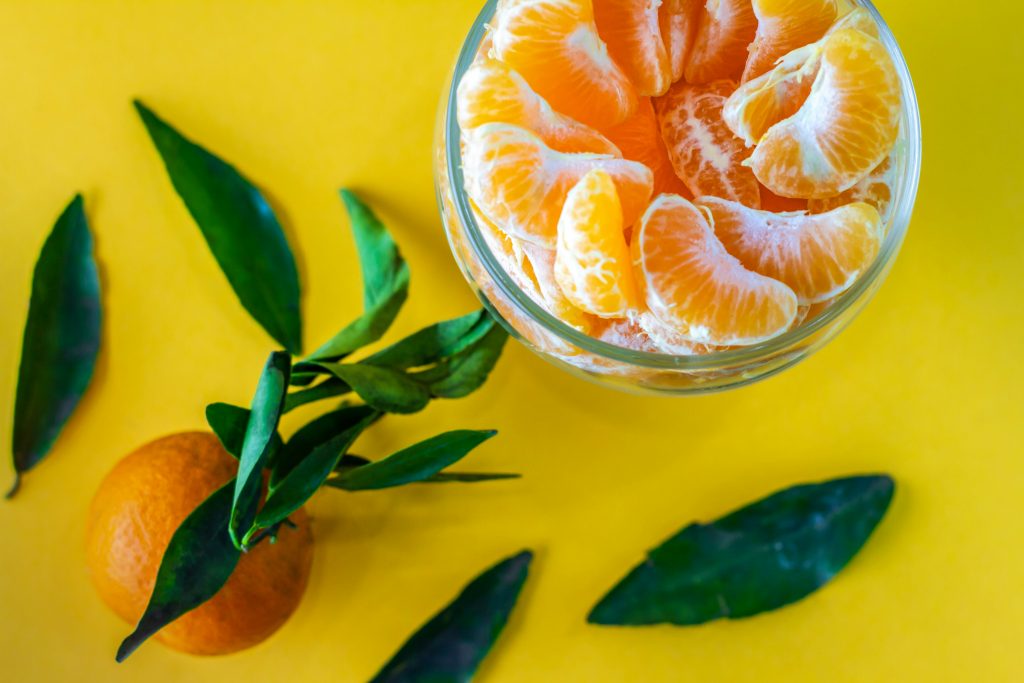
Repurposing leftover mandarin oranges not only reduces food waste but also aligns with the principles of sustainable living. Additionally, these recipes draw on the wisdom of traditional Chinese medicine, which emphasises the healing properties of natural ingredients. By incorporating these remedies into your diet, you can enjoy both their health benefits and their delicious flavours.
A Note of Caution
Whilst these recipes are generally safe and beneficial, individuals with specific health conditions, such as diabetes, should adjust the sugar content accordingly. Always consult a healthcare professional if you have concerns about how these remedies might interact with your health.
Embrace the Tradition, Reduce the Waste
Mandarin oranges are more than just festive decorations or snacks—they're a treasure trove of health benefits waiting to be unlocked. By trying these recipes, you can honour the spirit of the Lunar New Year whilst taking a step towards a healthier, more sustainable lifestyle. So, the next time you find yourself with a surplus of mandarin oranges, remember these creative ideas and turn them into something truly special.
Make It Actually Work: Storage, Sugar-Smart Swaps, and Safety Notes
If you are repurposing leftover mandarins, the biggest wins come from (1) using the ripest fruit first, (2) keeping sweetness under control, and (3) treating “remedies” as comforting add-ons — not a substitute for medical care.
1) A quick “use-first” sorting method (prevents waste)
- Eat first: very soft, thin-skinned, or slightly bruised fruit (cut away any damaged bits).
- Cook next: fruit that is still fine but less appealing to eat fresh (perfect for jam/soup).
- Hold: firm fruit with intact skin.
2) Jam that tastes good without turning into a sugar bomb
For a lighter jam, you can reduce added sugar and lean on flavour: add lemon juice for brightness, simmer gently for thickness, and consider mixing the purée with grated apple/pear (natural pectin) if you want a better set. If you prefer no added sugar, store it in smaller jars and use faster, because low-sugar spreads spoil sooner.
3) Soup and warm drinks: simple upgrades
- Go easy on sweeteners: start with none; add only if needed.
- Add protein if it’s a snack replacement: pair with yoghurt, nuts, or tofu/eggs to make it more filling.
- Keep portions realistic: even “healthy” citrus recipes can add up if you are grazing all day.
4) A note on “mandarin + milk”
Citrus and dairy can curdle depending on acidity and temperature. If you are trying mandarin orange milk, keep it gentle: use warm (not boiling) milk, add the fruit slowly, and treat it as an optional idea. If you have reflux, a sensitive stomach, or symptoms worsen, skip it.
5) When to stop “self-remedying” and seek help
Comfort foods can soothe, but they should not delay care. Seek medical advice if a cough persists beyond a reasonable timeframe, you have high fever, chest pain, breathing difficulty, dehydration, worsening symptoms, or if you are in a higher-risk group.
Frequently asked questions
Are these “remedies” proven treatments?
Think of them as supportive recipes that may feel soothing. They are not a replacement for evidence-based treatment when you are unwell.
I’m watching my blood sugar — what’s the simplest adjustment?
Skip or sharply reduce added sugar, keep portions modest, and avoid sipping sweetened drinks throughout the day.
Medical note: This article is for general education and is not a substitute for medical advice. If you have diabetes or other medical conditions, tailor sweeteners and portion sizes to your needs and guidance.
Editorial update: 22 February 2026 — expanded with storage tips, sugar-smart swaps, and food-safety considerations.
Note: This piece was written as a commissioned feature and has appeared in other health and lifestyle platforms.