Editorial Note:
This article is an expanded and revised edition of a previously commissioned feature. It has been updated to make the heart–brain connection more practical: what “risk reduction” looks like day to day, which numbers matter most (blood pressure, lipids, glucose), and how women can translate broad advice into a simple, trackable prevention routine over time.
Key takeaways (quick read):
- What’s good for the heart is often good for the brain: managing blood pressure, diabetes risk, and activity levels matters.
- Midlife is a key window: prevention habits built earlier tend to pay off later.
- Small, sustained changes win: you don’t need perfection — you need consistency and follow-up.
Quick action today: if you do not know your latest blood pressure and cholesterol results, put “check and record baseline numbers” on your next health to-do list.
Cardiovascular diseases (CVDs) remain the leading cause of death amongst women in Singapore, with one in three fatalities attributed to heart-related conditions. As International Women’s Day approaches, experts are urging women to better understand the connection between heart health and dementia, and to adopt preventive measures.
Dr Xu Sumei, a senior consultant cardiologist at the National Heart Centre Singapore, highlights findings from a 2024 study published in The Lancet. The research suggests that addressing risk factors such as physical inactivity, smoking, high blood pressure, obesity, and diabetes could prevent or delay up to half of dementia cases. Dr Xu emphasises the importance of early intervention and lifelong management of these factors to significantly reduce dementia risks.
The Role of Lifestyle in Prevention

Dr Xu advocates for a multi-faceted approach to maximise health benefits. Regular exercise, a balanced diet, and consistent health monitoring are key to reducing risks. For example, regular exercise not only improves conditions like hypertension, cholesterol levels, and diabetes but also lowers the likelihood of developing dementia.
She recommends maintaining a systolic blood pressure below 130 mmHg from the age of 40, monitoring cholesterol levels from midlife, and addressing obesity early to prevent diabetes. Additionally, avoiding smoking, limiting alcohol consumption, and engaging in cognitive activities in later years have been proven to reduce dementia risks and delay its onset. These measures not only extend healthy years but also improve overall quality of life whilst reducing healthcare costs associated with dementia.
Cardiovascular Diseases and Cognitive Decline
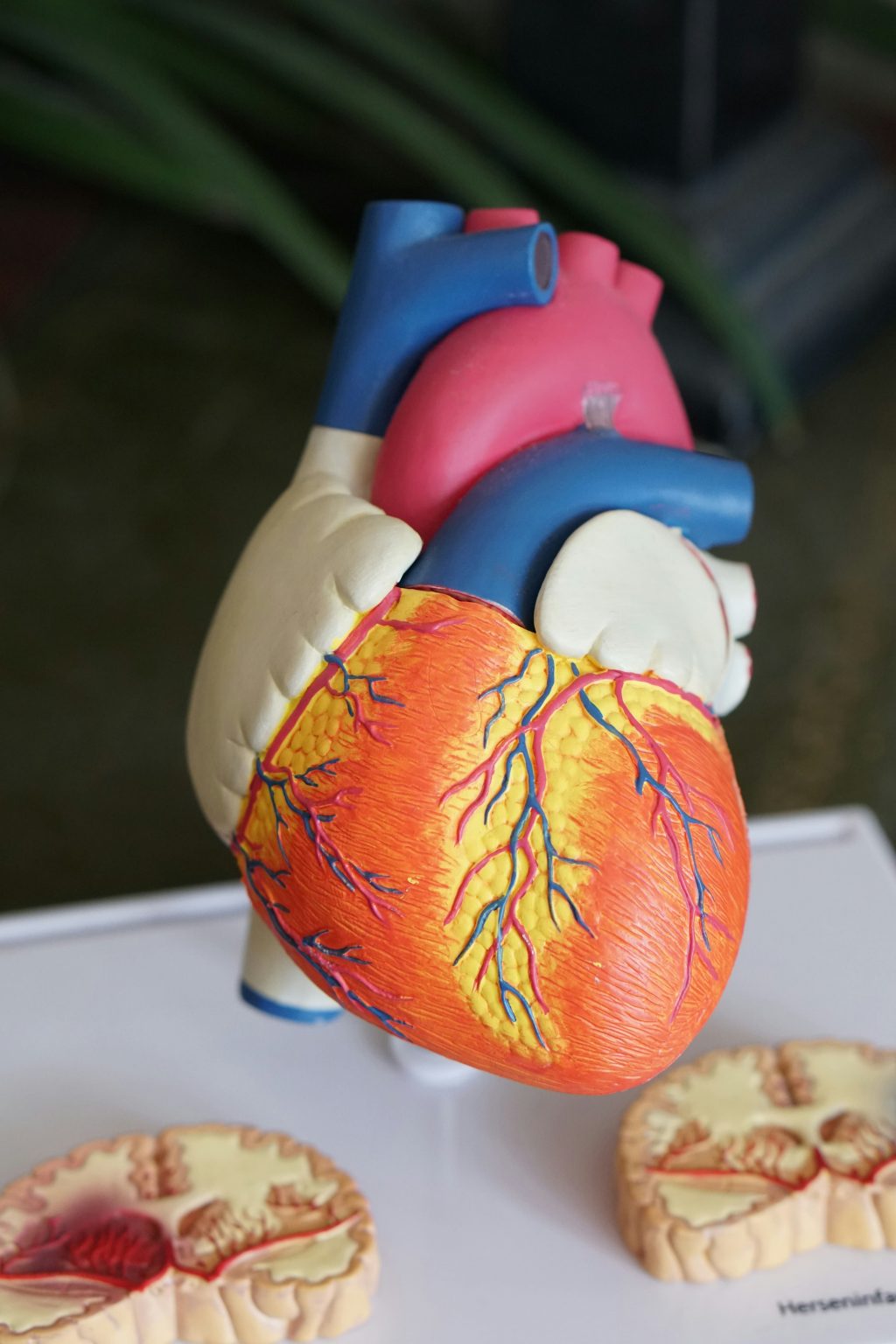
Certain heart conditions, such as atrial fibrillation (AF) and heart failure, are linked to a higher risk of cognitive impairment. Studies show that up to 78% of heart failure patients experience cognitive decline, with the severity of heart failure correlating to the extent of cognitive damage. AF, even without a history of stroke, can lead to cognitive issues due to factors like reduced brain blood flow and microemboli (small blood clots causing blockages).
Effective treatment of heart conditions can potentially mitigate cognitive decline. For instance, managing AF and improving heart function in heart failure patients may benefit both heart and brain health. However, more clinical trials are needed to establish direct evidence of these benefits.
The Role of Health Monitoring Devices
In addition to lifestyle changes, monitoring cardiovascular health is crucial for early detection and management of risk factors. Devices like blood pressure monitors and lipid analysers can play a significant role in this process.
- Blood Pressure Monitors: These devices allow individuals to track their blood pressure regularly, ensuring it stays within a healthy range. Dr Xu recommends maintaining a systolic blood pressure below 130 mmHg to reduce the risk of both cardiovascular diseases and dementia.
- Lipid Analysers: These devices help monitor cholesterol levels, including high- and low-density lipoproteins, which are critical in managing heart health. Early detection of abnormal cholesterol levels can prompt timely interventions to prevent complications like atherosclerosis and heart disease.
By incorporating these tools into daily routines, individuals can take proactive steps to manage their cardiovascular health effectively.
A Call to Action
Dr Xu underscores the importance of adopting a healthy lifestyle, including regular physical activity, smoking cessation, and moderate alcohol consumption. These steps not only protect heart health but also play a crucial role in reducing dementia risks, ensuring a better quality of life for women as they age.
With the support of innovative health products like blood pressure monitors and lipid analysers, maintaining heart health has never been more accessible or effective. By addressing cardiovascular health early and consistently, women can significantly lower their risk of both heart disease and dementia, paving the way for healthier, longer lives.
A Simple Heart–Brain Prevention Plan (Built for Busy Women)
It can be overwhelming to read that “up to half of dementia cases may be preventable” and not know where to start. The most useful takeaway is this: dementia risk is influenced by a bundle of long-term factors — and many of them are the same factors that drive heart disease. The aim is not a guarantee; it is risk reduction.
1) The five levers that tend to matter most
- Blood pressure: keep it monitored and managed over time.
- Blood lipids (cholesterol): know your baseline; address patterns early.
- Blood glucose / diabetes risk: prevention and control protect blood vessels throughout the body, including the brain.
- Movement: regular activity supports cardiovascular fitness, sleep, mood, and metabolic health.
- Smoking + alcohol: avoiding smoking and keeping alcohol moderate reduces vascular strain.
2) A “minimum effective routine” you can stick with
If you want a realistic baseline, start here for 4 weeks:
- Movement: 20–30 minutes of brisk walking most days (or your preferred cardio), plus 2 short strength sessions weekly.
- Food pattern: anchor meals with protein + fibre (vegetables, legumes, whole grains) and reduce ultra-processed snacks.
- Sleep: protect a consistent bedtime at least 5 nights a week.
3) The “numbers” checklist (what to record)
You do not need to measure everything — just enough to spot trends and act early. Consider keeping a simple note of:
- Blood pressure trend (not just a one-off reading)
- Cholesterol (especially LDL) from periodic blood tests
- Glucose markers (as advised by your clinician)
- Waist circumference or how clothes fit (a practical proxy for central weight gain)
4) If you have atrial fibrillation (AF) or heart failure
The heart–brain link can be stronger in certain conditions. If you have AF or heart failure, follow-up and adherence matter: keeping symptoms controlled, taking medications as prescribed, and attending monitoring appointments may support both cardiovascular stability and cognitive health. If you notice new memory issues, attention problems, or unusual confusion, raise it early rather than assuming it is “just stress”.
Frequently asked questions
Does this mean heart disease causes dementia?
Not in a simple one-to-one way. The evidence supports shared pathways (vascular health, inflammation, metabolic factors) that influence risk.
Managing these factors is about shifting the odds in your favour.
What is the easiest first step?
Pick one: (1) measure and record blood pressure weekly for a month, (2) schedule a check of cholesterol/glucose if overdue, or (3) start a daily walking habit.
Any of these gives you momentum and a baseline.
Medical note: This article is for general education and is not a substitute for medical advice. If you have symptoms such as chest pain, fainting, shortness of breath, sudden weakness, or signs of stroke, seek urgent care. For personalised prevention targets, consult a qualified healthcare professional.
Editorial update: 22 February 2026 — expanded with a practical prevention routine, a “numbers to track” checklist, and condition-specific notes (AF/heart failure).
Note: This piece was written as a commissioned feature and has appeared in other health and lifestyle platforms.