Editorial Note:
This article is an expanded and revised edition of a previously commissioned feature. It has been updated with practical, Singapore-specific tips for managing osteoarthritis, including local exercise options, diet advice, and mobility aids.
Key takeaways (quick read):
- Low-impact exercise: community classes and parks in Singapore offer accessible options like tai chi and aqua aerobics.
- Anti-inflammatory diet: local ingredients like turmeric and omega-3 rich fish can support joint health.
- Supportive footwear and aids: ergonomic walking sticks and orthopaedic shoes help reduce knee strain.
Quick action today: explore a nearby community centre class or try a gentle walk on the Park Connector Network.
Knee joints are essential for mobility and play a vital role in our daily lives. They connect the skeletal structure, allowing smooth movement and protecting the bones from impact. However, as we age or due to overuse and injuries, the cartilage in the knee can deteriorate, leading to osteoarthritis (OA). This degenerative joint condition causes pain, stiffness, and swelling, significantly affecting quality of life. Whilst there is no cure for OA, adopting certain strategies can help manage symptoms and maintain joint health.
In Singapore, where an ageing population and sedentary lifestyles are becoming more common, osteoarthritis is a growing concern. According to local medical experts, knee osteoarthritis affects between 4.7% and 11% of the population, with the average age of diagnosis being around 59 years. With Singaporeans living longer and leading increasingly active lifestyles, it is crucial to address this condition early to maintain mobility and independence in later years.
Understanding Osteoarthritis and Its Symptoms
Osteoarthritis, also known as degenerative joint disease, is a common condition that typically begins after the age of 40. It becomes more prevalent in individuals over 65, with studies showing that around 35% of older adults experience OA-related mobility issues. The condition occurs when the cartilage that cushions the knee joint wears down, leading to increased friction, inflammation, and pain.
In the early stages, symptoms include mild pain in the front or sides of the knee, especially during activities like climbing stairs or standing up. As the condition progresses, stiffness, swelling, and difficulty bending or straightening the knee become more noticeable. In advanced stages, the joint may become deformed, and surrounding muscles may weaken, making walking or even standing a challenge.
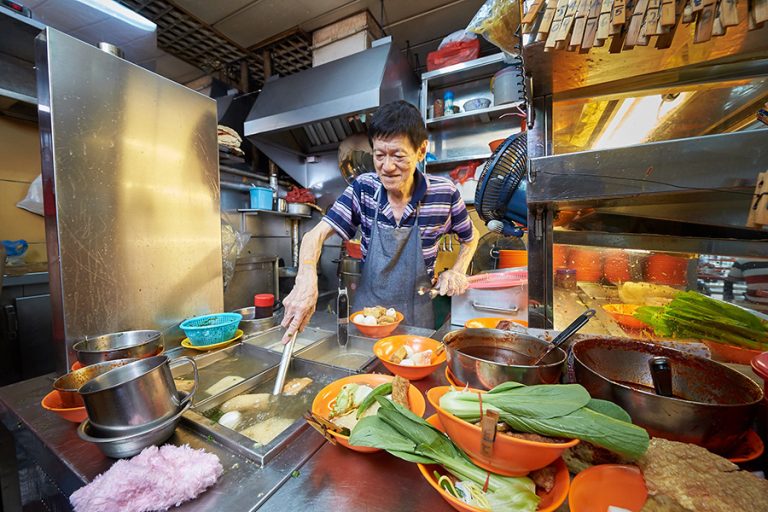
In Singapore, the humid climate can exacerbate joint pain for some individuals, as changes in weather and barometric pressure may affect joint inflammation. Additionally, the prevalence of hawker culture and high-calorie diets can contribute to weight gain, which places extra strain on the knees. These local factors make it even more important for Singaporeans to adopt preventive measures and manage their joint health effectively.
Five Effective Strategies to Manage and Prevent Osteoarthritis
Although osteoarthritis cannot be reversed, there are several ways to alleviate symptoms and slow its progression. Here are five practical strategies, tailored to the Singaporean lifestyle:
1. Engage in Low-Impact Exercise

Regular, moderate exercise strengthens the muscles around the knee, improving joint stability and reducing strain. Low-impact activities such as brisk walking, swimming, yoga, and tai chi are particularly beneficial. In Singapore, many community centres and parks offer free or affordable fitness classes, including tai chi and aqua aerobics, which are ideal for individuals with OA. The Park Connector Network (PCN) also provides a safe and accessible environment for walking or cycling, encouraging Singaporeans to stay active.
For those with more advanced OA or mobility challenges, walking aids such as those offered by BUZUD can provide additional support. BUZUD's range of ergonomic walking sticks and rollators are designed to reduce strain on the knees whilst improving balance and stability. These aids are lightweight, durable, and easy to use, making them an excellent option for individuals who need assistance with mobility.
2. Follow an Anti-Inflammatory Diet
A healthy diet can play a significant role in managing inflammation. Foods rich in antioxidants and anti-inflammatory properties, such as leafy greens, cherries, salmon, omega-3 fatty acids, whole grains, and legumes, can help reduce joint inflammation and support overall joint health.
In Singapore, incorporating local ingredients like turmeric (used in curries) and omega-3-rich fish like mackerel or pomfret into meals can be a practical way to boost joint health. Additionally, reducing the intake of sugary drinks and fried foods, which are common in hawker centres, can help manage weight and inflammation.
3. Incorporate Key Supplements
Certain supplements have been shown to improve joint health and alleviate OA symptoms. For example, turmeric (curcumin) has anti-inflammatory properties, whilst undenatured type II collagen (UC-II) helps reduce joint pain, improve flexibility, and slow cartilage degeneration. These supplements are widely available in Singapore at pharmacies like Guardian and Watsons, as well as online platforms like Shopee and Lazada.
4. Wear Supportive Footwear
Proper footwear is essential for reducing stress on the knees. Shoes with soft soles and good arch support help distribute body weight evenly, minimising pressure on the joints. In Singapore, where walking is a common mode of transport, investing in comfortable and supportive footwear is particularly important. Brands like Scholl and Asics offer a range of orthopaedic shoes that cater to individuals with joint issues.
5. Maintain a Healthy Weight
Excess weight places additional strain on the knee joints, accelerating cartilage wear and worsening OA symptoms. Keeping your body weight within a healthy range (BMI of 18.5–22.9) can significantly reduce joint pressure, alleviate pain, and slow the progression of the condition.
The Importance of Early Intervention
Osteoarthritis is a progressive condition, and early intervention is key to managing its impact. By adopting these strategies, individuals can improve their joint health, reduce pain, and maintain mobility. For those seeking additional support, products like Ocean Health's Joint-RX UC-II Formula offer targeted relief. This supplement, which contains undenatured type II collagen, has been shown to improve joint flexibility and alleviate pain, making it a valuable option for those with OA.
Knee joint health is crucial for maintaining an active and independent lifestyle, especially in Singapore, where an ageing population and urban lifestyle present unique challenges. Whilst osteoarthritis can be difficult to manage, incorporating regular exercise, a healthy diet, and supportive measures can make a significant difference.
With Singapore's accessible healthcare system, community resources, and innovative products like walking aids, wheelchairs, and body composition scales, individuals have ample opportunities to seek help and adopt preventive measures. Whether it's joining a fitness class at a community centre, exploring healthier food options at hawker centres, or using mobility aids to stay active, there are many ways to take charge of your joint health and enjoy a better quality of life.
Practical Steps to Support Knee Joint Health in Singapore
Managing osteoarthritis is about consistent, manageable changes. Here are some Singapore-friendly tips to help:
1) Use local resources for low-impact exercise
Check out tai chi or aqua aerobics classes at community centres, or enjoy walks along the Park Connector Network to stay active without stressing your knees.
2) Incorporate anti-inflammatory foods into your diet
Use turmeric in curries and include omega-3 rich fish like mackerel or pomfret. Limit sugary drinks and fried hawker foods to reduce inflammation and manage weight.
3) Consider supplements and aids
Supplements like undenatured type II collagen (UC-II) may help joint health. Ergonomic walking sticks and orthopaedic shoes can reduce knee strain and improve mobility.
4) Maintain a healthy weight
Keeping your BMI within the healthy range reduces pressure on your knees and slows osteoarthritis progression.
5) Seek early intervention and support
Early diagnosis and management improve outcomes. Singapore’s healthcare system and community resources offer support for joint health and mobility.
Medical note: This article is for general education and is not a substitute for medical advice. Consult your healthcare provider for personalised diagnosis and treatment.
Editorial update: 22 February 2026 — expanded with Singapore-specific exercise options, diet tips, and mobility aids.
Note: This piece was written as a commissioned feature and has appeared in other health and lifestyle platforms.