Editorial Note:
This article is an expanded and revised edition of a previously commissioned feature. It has been updated to highlight the potential of microneedle technology in diabetic wound care, with a focus on innovations from Singapore’s National University of Singapore (NUS).
Key takeaways (quick read):
- Microneedles offer precise, painless drug delivery that can accelerate healing and reduce inflammation in diabetic wounds.
- Singaporean research is leading innovation with sucralfate and heparin-coated microneedles showing promising results.
- Future developments include personalised 3D-printed patches and antibacterial properties to further improve outcomes.
Quick action today: stay informed about emerging treatments and consult healthcare providers for wound care management.
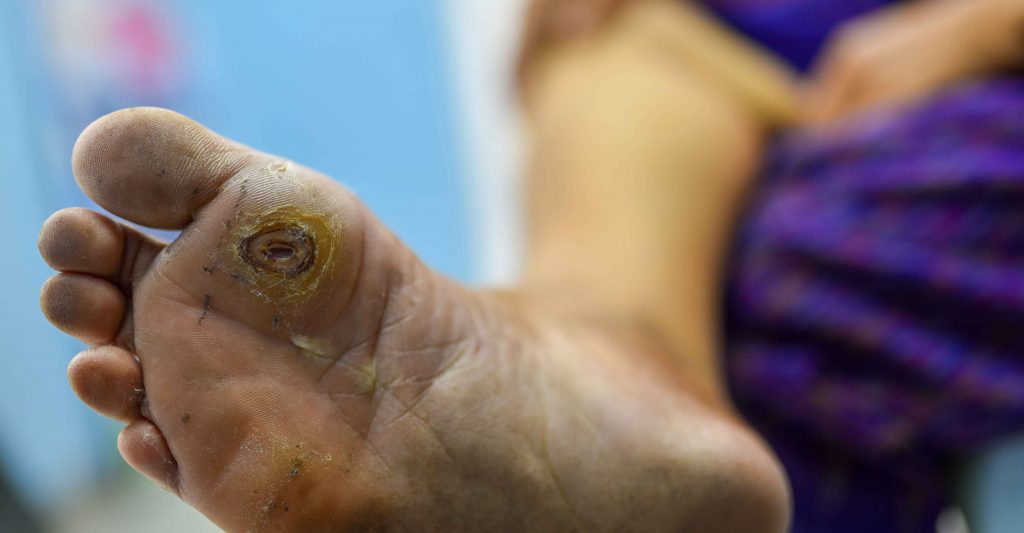
Diabetic wounds, particularly foot ulcers, are amongst the most serious complications of diabetes, a chronic condition affecting millions worldwide. In Singapore alone, around 400,000 people live with diabetes, and non-healing wounds lead to about four lower-limb amputations every day. These wounds are not just a medical challenge but also a heavy burden on patients' quality of life and the healthcare system.
The difficulty in healing diabetic wounds stems from several factors. High blood sugar levels impair blood circulation, reducing the supply of oxygen and nutrients to the affected area, which slows down the natural healing process. Diabetes also weakens the immune system, making it harder for the body to fight infections. Chronic inflammation, another hallmark of diabetic wounds, disrupts the balance of proteins and cells needed for tissue repair. As a result, wounds often remain open for long periods, increasing the risk of severe infections, gangrene, and, in many cases, amputation.
Traditional treatments, such as wound dressings, topical medications, and even surgery, often fail to address these underlying issues. This has led researchers to explore innovative solutions, such as microneedle technology, to tackle the root causes of non-healing wounds.
Microneedle Technology: A Breakthrough Approach
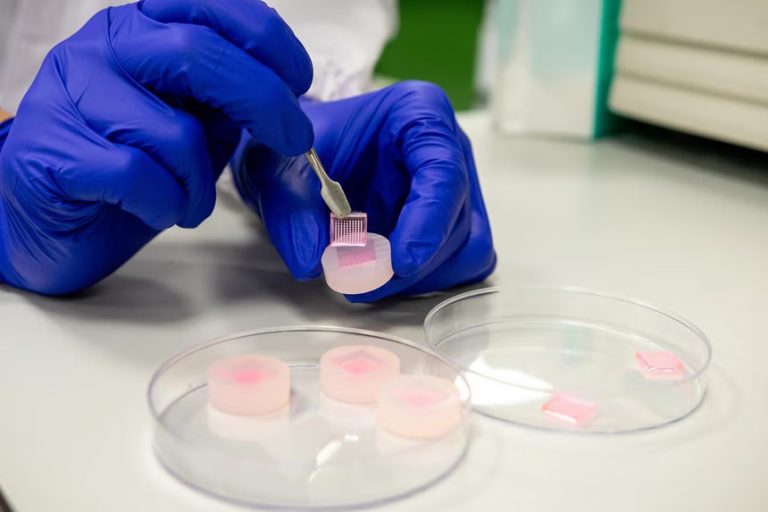
Microneedles, which are thinner than a human hair, offer a minimally invasive and precise way to deliver therapeutic compounds directly into the wound tissue. Unlike traditional treatments applied to the wound surface, microneedles dissolve upon application, ensuring painless delivery of medication deep into the tissue. This approach minimises side effects and avoids damage to delicate, newly formed tissues, which is often caused by adhesive dressings.
At the forefront of this innovation is a team from the National University of Singapore (NUS), led by Assistant Professor Andy Tay from the biomedical engineering department. The team has developed two microneedle-based technologies. The first involves sucralfate microneedles that deliver interleukin-4 (IL-4), a protein that stimulates the production of growth factors essential for tissue regeneration. Sucralfate, a medication commonly used to treat gastrointestinal ulcers, protects IL-4 from breaking down, ensuring its effectiveness. This method has been shown to double the rate of wound healing compared to traditional treatments.
The second approach uses heparin-coated porous microneedles to tackle persistent inflammation, a major barrier to wound healing. Heparin, an anticoagulant drug, binds to chemokines—molecules that attract immune cells like monocytes to wound sites. Whilst monocytes are essential for fighting infections, they also contribute to inflammation. By depleting chemokines and monocytes, these microneedles reduce tissue inflammation by 50% and shrink wound size by 90% within 14 days. This technology also shows promise for treating other inflammatory skin conditions, such as psoriasis.
The Future of Diabetic Wound Care
Looking ahead, the researchers are exploring 3D-printing technology to customise microneedle patches to fit the exact shape of wounds, allowing for more personalised treatment. They are also working on adding antibacterial properties to the microneedles to reduce the risk of infection. With a $300,000 grant from A*STAR, the team is refining these innovations and preparing for clinical trials.
Assistant Professor Tay believes this technology could make a real difference, especially for lower-income groups who are disproportionately affected by diabetic wounds. The simplicity and cost-effectiveness of microneedles could make advanced wound care more accessible, offering hope to patients who might otherwise face amputation.
Whilst there's still work to be done before these microneedles are widely available, the potential is clear. With their ability to speed up healing, reduce inflammation, and even personalise treatment, microneedles could transform how we care for diabetic wounds—and maybe even other skin conditions. It's an exciting step forward, and one that could make a big difference for patients everywhere.
What This Means for Diabetic Wound Care in Singapore
The development of microneedle technology at NUS represents a significant step forward in treating diabetic wounds, a major health challenge in Singapore. These innovations promise faster healing, reduced inflammation, and more personalised care options.
1) Accessibility and affordability
The simplicity and cost-effectiveness of microneedle patches could make advanced wound care more accessible to a wider population, including lower-income groups.
2) Personalised treatment
Future 3D-printed microneedle patches tailored to wound shape may improve treatment efficacy and patient comfort.
3) Reduced complications
By targeting inflammation and promoting tissue regeneration, microneedles may lower infection rates and the need for amputations.
Medical note: This article is for general education and is not a substitute for medical advice. If you have diabetic wounds or concerns, consult your healthcare provider for personalised management.
Editorial update: 22 February 2026 — expanded with Singapore research highlights, future technology prospects, and patient impact.
Note: This piece was written as a commissioned feature and has appeared in other health and lifestyle platforms.