Editorial Note:
This article is an expanded and revised edition of a previously commissioned feature. It has been updated with practical strategies tailored for Singaporeans to prevent fatty liver disease through lifestyle, diet, and monitoring.
Key takeaways (quick read):
- Fatty liver is a silent but common condition in Singapore, linked to obesity, diabetes, and metabolic syndrome.
- Weight management and balanced diet following “My Healthy Plate” guidelines support liver health.
- Regular exercise and monitoring help reduce liver fat and prevent progression to serious liver disease.
Quick action today: assess your lifestyle habits and consider scheduling a liver health check with your healthcare provider.
The liver, the largest internal organ in the human body, is a powerhouse of activity, performing over 500 essential functions that are critical to maintaining overall health. It acts as the body’s detoxification centre, filtering harmful substances from the blood, metabolising nutrients, and producing bile to aid in the digestion of fats.
Additionally, the liver plays a key role in regulating blood sugar levels, storing vitamins and minerals, and synthesising proteins necessary for blood clotting. However, due to its complexity and the heavy workload it shoulders, the liver is particularly vulnerable to damage and disease. Amongst the most common liver conditions is fatty liver disease, which has become a growing health concern worldwide.
Fatty Liver Disease: A Silent Epidemic
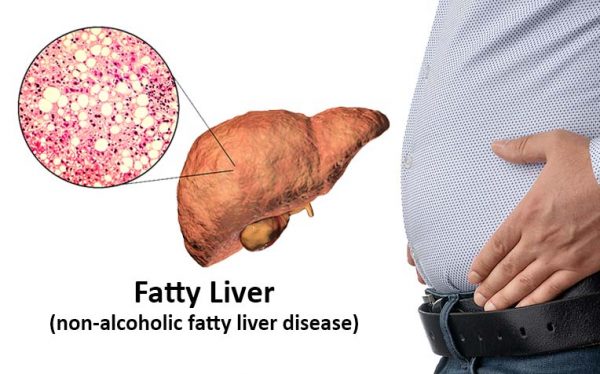
Fatty liver disease occurs when excess fat accumulates in the liver, impairing its ability to function properly. It is broadly classified into two types: alcoholic fatty liver disease, caused by excessive alcohol consumption, and non-alcoholic fatty liver disease (NAFLD), which is unrelated to alcohol intake.
NAFLD is especially prevalent in Singapore, with research indicating that nearly 50% of the population may be affected, a figure significantly higher than the Asian average of 30%. This condition is often linked to lifestyle factors such as obesity, poor diet, and lack of exercise, as well as underlying health conditions like diabetes, high cholesterol, and metabolic syndrome.
Alarmingly, NAFLD can develop even in individuals who consume little to no alcohol, making it a silent but widespread issue.
Recognising the Warning Signs
In its early stages, fatty liver disease is often asymptomatic, meaning that many individuals may not realise they have it. However, some people may experience subtle signs such as persistent fatigue, bloating, a loss of appetite, or mild discomfort in the upper right abdomen where the liver is located.
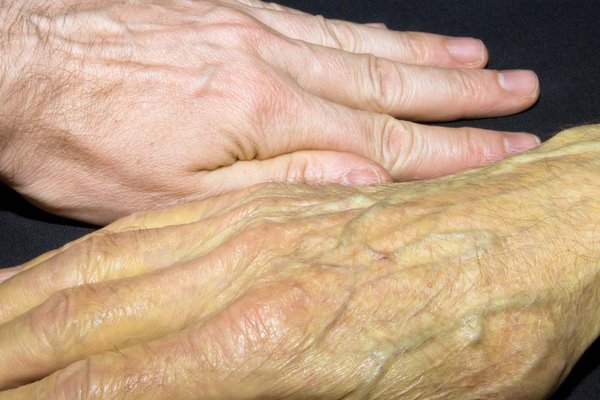
As the disease progresses, it can lead to more severe complications, including liver inflammation, scarring (fibrosis), and eventually cirrhosis, a condition where the liver becomes permanently damaged. At this stage, symptoms become more pronounced and may include jaundice (yellowing of the skin and eyes), dark urine, unexplained fever, significant weight loss, and a severe decline in appetite.
If left untreated, cirrhosis can lead to liver failure or liver cancer, both of which are life-threatening conditions. Recognising these warning signs early and seeking medical intervention is crucial to preventing irreversible damage.
Lifestyle Changes to Protect Your Liver
Whilst there is currently no specific medication to cure fatty liver disease, adopting a healthy lifestyle can significantly improve liver health and, in some cases, reverse the damage. One of the most effective strategies is maintaining a healthy weight. Excess body fat, particularly around the abdomen, increases the risk of fat accumulation in the liver.
For Asians, a Body Mass Index (BMI) between 18.5 and 22.9 kg/m² is considered ideal, whilst waist circumference should remain below 90 cm for men and 80 cm for women. Losing even 5–10% of body weight can have a profound impact on reducing liver fat and improving overall liver function.
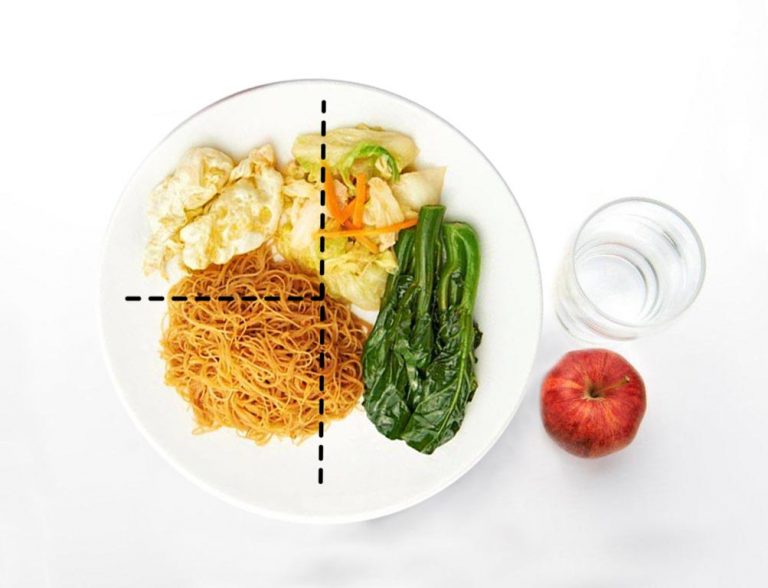
Diet also plays a critical role in liver health. Following a balanced diet, such as the “My Healthy Plate” guideline, can help reduce the liver’s workload. This approach recommends filling half the plate with fruits and vegetables, whilst the other half is divided between proteins and whole grains. Opting for plant-based or low-fat protein sources, such as beans, nuts, lean meats, and fish, is beneficial.
It is also important to limit the intake of refined sugars, processed foods, and saturated fats, which can contribute to fat accumulation in the liver. Staying hydrated by drinking 8–12 cups of water daily further supports liver function by aiding in detoxification and digestion.
The Role of Exercise in Liver Health

Regular physical activity is another cornerstone of liver health. Exercise helps burn excess fat, not only in the body but also in the liver itself. Engaging in moderate-intensity activities, such as brisk walking, cycling, swimming, or playing sports like badminton, for 30–60 minutes at least five times a week can significantly improve fat metabolism and reduce the risk of liver-related complications.
Even small increases in daily physical activity, such as taking the stairs instead of the lift or walking short distances instead of driving, can make a difference over time.
Monitoring and Managing Related Conditions
In addition to lifestyle changes, regular health check-ups are essential for monitoring liver health. Blood tests, imaging scans, and other diagnostic tools can help detect early signs of liver damage, allowing for timely intervention. Managing related conditions, such as diabetes, high blood pressure, and high cholesterol, is equally important, as these conditions can exacerbate liver problems if left uncontrolled.
Natural Remedies for Liver Support
Natural remedies and supplements can also provide additional support for liver health. For instance:
- Milk Thistle: Known for its antioxidant and anti-inflammatory properties, it may help protect liver cells from damage.
- Curcumin: The active compound in turmeric, it has been shown to aid in detoxification and reduce inflammation.
- Japanese Raisin Tree: A natural remedy that supports alcohol metabolism and alleviates liver stress.
- Chinese Hawthorn: Recognised for its ability to promote fat metabolism and reduce the liver’s workload.
Ultimately, protecting the liver requires a proactive approach that combines healthy habits, regular monitoring, and an awareness of potential risk factors. By maintaining a healthy weight, eating a balanced diet, staying active, and managing related health conditions, individuals can significantly reduce their risk of developing fatty liver disease.
The liver is a vital organ that supports nearly every aspect of health, and taking steps to care for it can lead to a longer, healthier, and more fulfilling life.
Practical Steps to Protect Your Liver Health
Preventing fatty liver disease involves consistent lifestyle choices. Here are five strategies to consider:
1) Maintain a healthy weight
Aim for a BMI between 18.5 and 22.9 kg/m² and waist circumference below 90 cm (men) or 80 cm (women). Even modest weight loss can improve liver fat.
2) Follow balanced diet guidelines
Use the “My Healthy Plate” approach: half fruits and vegetables, a quarter whole grains, and a quarter protein. Limit refined sugars, processed foods, and saturated fats.
3) Stay physically active
Engage in moderate-intensity exercise like brisk walking, cycling, or badminton for 30–60 minutes at least five times a week.
4) Monitor related health conditions
Regularly check for diabetes, high cholesterol, and hypertension, as managing these reduces liver disease risk.
5) Consider natural liver-supporting supplements
Milk thistle, curcumin, Japanese raisin tree, and Chinese hawthorn may provide antioxidant and anti-inflammatory benefits.
Medical note: This article is for general education and is not a substitute for medical advice. Consult your healthcare provider for personalised liver health assessment and guidance.
Editorial update: 22 February 2026 — expanded with Singapore-specific lifestyle tips and natural remedies for liver health.
Note: This piece was written as a commissioned feature and has appeared in other health and lifestyle platforms.