Editorial Note:
This article is an expanded and revised edition of a previously commissioned feature. It has been updated to go beyond the “vegetables = healthy” assumption and explain what actually makes a vegetarian diet nourishing: protein quality, key nutrients to watch (B12, iron, vitamin D, omega-3s), and how to avoid the common trap of relying on heavily processed mock meats.
Key takeaways (quick read):
- A vegetarian diet can be very healthy — but it is not automatically healthy if it is mostly fried or processed.
- Protein + micronutrients matter: B12 is the big one; iron, zinc, calcium, vitamin D and omega-3s also need planning.
- Whole foods first: tofu, tempeh, legumes, nuts, seeds, whole grains, and plenty of vegetables beat “veg” convenience foods.
Quick action today: check whether you are getting a reliable source of vitamin B12 (fortified foods or a supplement).
Many people believe that eating vegetables is synonymous with being healthy. In Singapore, this mindset is particularly common, with many associating vegetarian diets with better health, weight management, and even disease prevention. The idea that "vegetables are always good for you" has led to a growing number of people adopting plant-based diets, often under the assumption that cutting out meat automatically results in a healthier lifestyle. Whilst a vegetarian diet can indeed offer numerous health benefits, it is not without its challenges. According to Fang Muyan, a senior dietitian from the 365 Cancer Prevention Society (365CPS), the key to a healthy vegetarian lifestyle lies in balance, variety, and careful planning.
The Benefits of a Vegetarian Diet
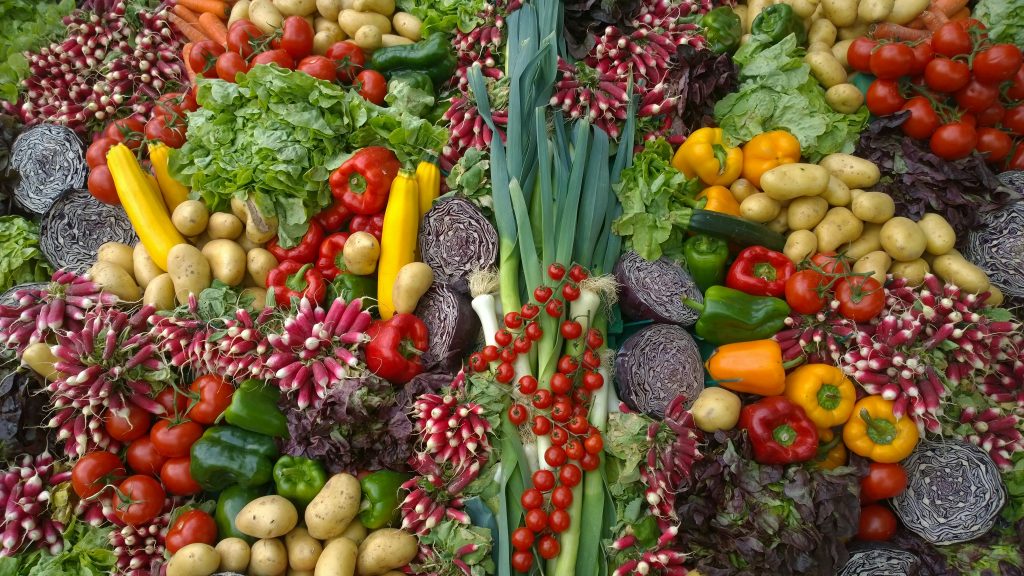
Vegetarian diets are often rich in dietary fibre, antioxidants, and natural plant compounds known as phytochemicals. These nutrients are found in abundance in fruits, vegetables, whole grains, nuts, and seeds. Such a diet can help manage "the three highs"—high blood pressure, high cholesterol, and high blood sugar—whilst also reducing the risk of chronic illnesses such as heart disease, diabetes, and certain cancers. Additionally, plant-based diets are generally lower in saturated fats, which can contribute to better cardiovascular health.
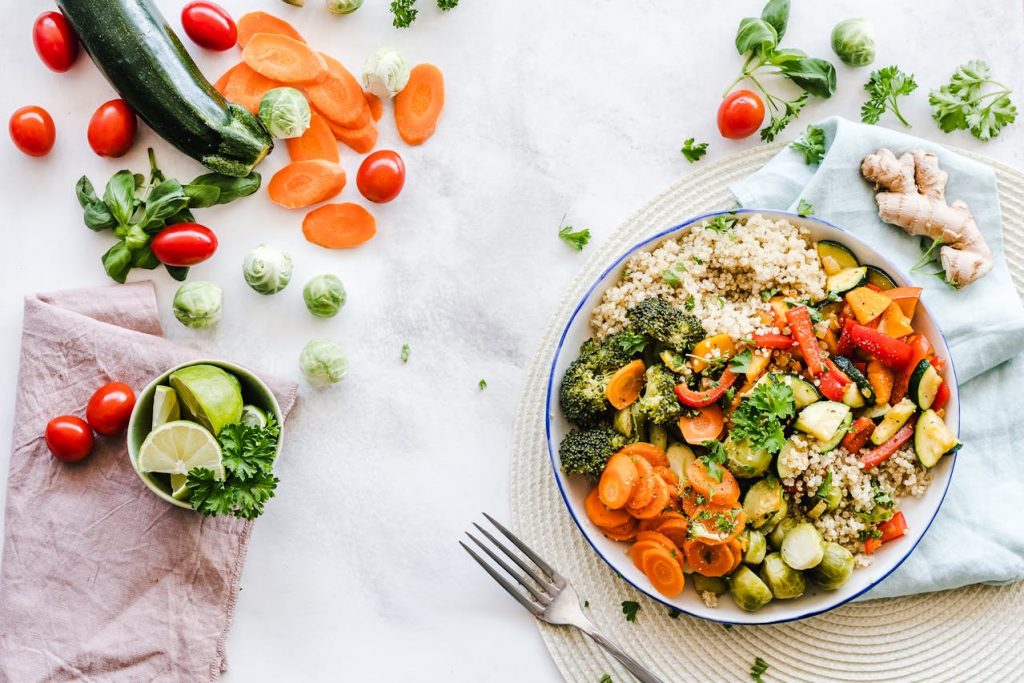
However, not all vegetarian diets are created equal. Whilst a diet rich in whole, unprocessed plant foods can be highly beneficial, relying too heavily on processed vegetarian products can negate these advantages.
The Risks of Processed Vegetarian Foods
One of the biggest pitfalls of a vegetarian diet is the overconsumption of processed vegetarian foods. Items such as fried mock meats, vegetarian goose, or other meat substitutes are often high in refined starches, unhealthy fats, and sodium. These products, whilst convenient and tasty, can lead to weight gain, increased cholesterol levels, and other health issues if consumed in excess. Fang warns that a vegetarian diet that relies heavily on such foods may not be any healthier than a standard diet that includes processed meats.
To avoid this, it's important to focus on whole, minimally processed foods. For example, instead of opting for fried mock chicken, consider using tofu, tempeh, or lentils as a protein source. These options are not only healthier but also provide a wealth of nutrients.
Nutritional Deficiencies in Vegetarian Diets
Whilst a vegetarian diet can be nutrient-dense, it is not without its challenges. Certain nutrients that are abundant in animal-based foods can be harder to obtain from a plant-based diet. Common deficiencies amongst vegetarians include:
- Iron: Found in red meat and poultry, iron is essential for oxygen transport in the blood. Plant-based sources like spinach, lentils, and fortified cereals contain non-heme iron, which is less easily absorbed by the body.
- Calcium: Often associated with dairy products, calcium is crucial for bone health. Vegetarians can turn to fortified plant milks, tofu, almonds, and leafy greens like kale and bok choy.
- Zinc: Important for immune function, zinc is commonly found in meat and shellfish. Plant-based sources include nuts, seeds, and whole grains.
- Vitamin B12: This vitamin is almost exclusively found in animal products and is essential for nerve function and red blood cell production. Vegetarians should consider fortified foods or supplements to meet their needs.
- Vitamin D: Known as the "sunshine vitamin," it is often found in fish and fortified dairy products. Vegetarians can obtain it from fortified plant milks, mushrooms exposed to sunlight, or supplements.
- Omega-3 Fatty Acids: These healthy fats, found in fish, are important for brain and heart health. Plant-based sources include flaxseeds, chia seeds, walnuts, and algae-based supplements.
Tips for a Balanced and Healthy Vegetarian Diet
Transitioning to or maintaining a vegetarian diet can be incredibly rewarding for your health, the environment, and ethical reasons. However, to ensure your diet is nutritionally complete and sustainable, it's important to follow some practical strategies.
1. Diversify Your Plate
Eating a wide variety of foods is essential for meeting your nutritional needs. Each food group offers unique nutrients, so including a mix of fruits, vegetables, whole grains, legumes, nuts, and seeds ensures you get a broad spectrum of vitamins, minerals, and antioxidants.
2. Focus on Whole Foods
Whilst vegetarian diets are often associated with health, relying on processed vegetarian products can undermine their benefits. Opt for natural protein sources like tofu, tempeh, edamame, and legumes, and replace processed snacks with whole-food options like roasted chickpeas or fresh fruit.
3. Fortify Your Diet
Fortified foods are a great way to fill nutritional gaps. Look for plant-based milks fortified with calcium, Vitamin D, and Vitamin B12, as well as breakfast cereals fortified with iron and zinc.
4. Pair Foods for Better Absorption
Pair non-heme iron sources (like spinach and lentils) with Vitamin C-rich options like citrus fruits or bell peppers to boost absorption. Similarly, pair calcium-rich foods with low-oxalate vegetables like broccoli or bok choy.
5. Incorporate Healthy Fats
Healthy fats are essential for brain function and hormone production. Include avocados, walnuts, chia seeds, and flaxseeds in your diet, and use olive or avocado oil for cooking.
6. Consider Supplements
Vitamin B12 is a must for most vegetarians. Depending on your lifestyle and blood results, you may also need to consider Vitamin D, iron, or algae-based Omega-3 supplements.
7. Plan Your Meals
Meal planning helps ensure you're getting a variety of nutrients and reduces the temptation to rely on convenience foods. Try batch cooking soups or grain-based salads to stay on track during busy weeks.
The Bottom Line
Adopting a vegetarian diet can be a highly rewarding choice for your health, the environment, and ethical considerations. However, it is important to approach this lifestyle with careful planning and mindfulness. Whilst vegetables and plant-based foods are undoubtedly nutritious, a vegetarian diet is not automatically healthy if it relies heavily on processed foods or lacks essential nutrients.
Remember, a healthy vegetarian diet is about more than just cutting out meat—it's about nourishing your body with a diverse range of nutrient-dense foods and making informed choices. With the right approach, a vegetarian diet can be a sustainable and fulfilling way to support your overall well-being.
A “Healthy Vegetarian” Checklist (So It’s Not Just Carbs and Mock Meat)
If you are going vegetarian for health, the biggest difference is not simply removing meat — it is what replaces it. Use this checklist to make sure your diet is balanced, satisfying, and nutritionally complete.
1) The protein reality check (aim for protein at most meals)
- Whole-food proteins: tofu, tempeh, edamame, lentils, chickpeas, beans, peas
- Other options: eggs and dairy (if you include them), unsweetened yoghurt, cottage cheese
- Watch-outs: fried mock meats can be high in sodium and refined starch — treat as occasional
2) The “nutrients to plan” list (don’t leave it to luck)
- Vitamin B12: use fortified foods or a supplement (this is the most common gap)
- Iron: legumes, tofu, leafy greens + pair with vitamin C (citrus, berries, capsicum)
- Calcium + vitamin D: fortified plant milks, tofu set with calcium, low-oxalate greens; consider vitamin D if low sun exposure
- Zinc: nuts, seeds, whole grains, legumes
- Omega-3: chia, flax, walnuts; consider algae-based DHA/EPA if intake is low
3) The processed-food trap (how to spot it quickly)
A vegetarian diet can still be ultra-processed if it is built around fried mock meats, sweet drinks, pastries, instant noodles, and salty snacks. If most of your calories come from foods in packets, it is worth rebalancing.
4) An easy plate formula (no weighing, no tracking)
At main meals, aim for: ½ plate vegetables, ¼ plate protein (tofu/tempeh/legumes/eggs/dairy), ¼ plate whole grains or starchy veg, plus a small amount of healthy fat (nuts, seeds, olive oil, avocado).
5) If you feel tired, hungry, or “never full”
- Add more protein at breakfast (e.g., yoghurt/soy milk + chia; tofu scramble; eggs if suitable).
- Increase fibre with legumes and whole grains (not just salad).
- Check for iron and B12 adequacy if fatigue is persistent.
Frequently asked questions
Is “mock meat” bad?
Not automatically — but many are high in sodium and refined starch. Use them as convenience foods, not daily staples.
Do I need supplements?
Many vegetarians benefit from vitamin B12. Others (vitamin D, iron, omega-3) depend on diet pattern, sun exposure, and blood results.
Medical note: This article is for general education and is not a substitute for medical advice. If you are pregnant, breastfeeding, have anaemia, thyroid disease, gastrointestinal conditions, or fatigue that persists, consult a qualified clinician or dietitian.
Editorial update: 22 February 2026 — expanded with a vegetarian nutrition checklist, protein guidance, and “processed food trap” indicators.
Note: This piece was written as a commissioned feature and has appeared in other health and lifestyle platforms.