Editorial Note:
This article is an expanded and revised edition of a previously commissioned feature. It has been updated to cut through Singapore’s protein hype and answer the practical question most people actually have: am I getting enough protein, or am I overdoing it? It also clarifies who needs to pay closer attention (especially older adults), and how to hit protein targets without displacing fibre, vegetables, and other essentials.
Key takeaways (quick read):
- Most Singaporeans already meet basic protein needs — the bigger gap appears in some older adults.
- More protein is not always better: excess can crowd out other nutrients and may increase reliance on processed meats/supplements.
- Better strategy: spread protein across meals and prioritise whole-food sources (fish, eggs, tofu/tempeh, legumes).
Quick action today: estimate your daily target using body weight, then aim to include a protein source at each main meal rather than “mega-dosing” with shakes.
Protein: it's the nutrient everyone's talking about in Singapore. From protein-boosted kopi at your local hawker to a dizzying array of protein bars at the supermarket, it's hard to escape the hype. But before you reach for that extra scoop of protein powder, let's get real. Yes, protein is essential, BUT… are you actually getting enough, or could you be inadvertently overdoing it? We'll dive into the protein landscape in Singapore, armed with local data and expert insights, to help you strike the perfect protein balance.
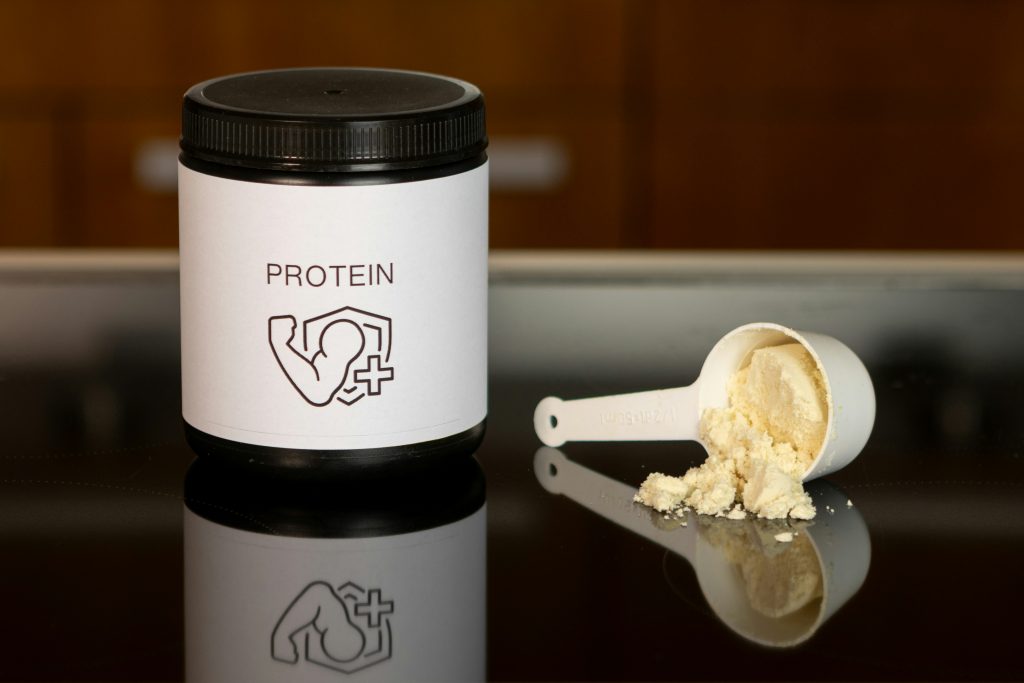
Are Singaporeans Getting Enough Protein?
Despite the protein craze, the latest data from the Ministry of Health (MOH) and the Health Promotion Board (HPB) suggests that most Singaporeans are already meeting their basic protein needs. The 2022 National Nutrition Survey reveals that over 75% of residents are consuming enough protein daily. So, for the majority of us, protein deficiency isn't a major concern.
However, there's a significant caveat: a concerning number of older adults (aged 50 to 69) are falling short. Approximately half of this age group aren't meeting their recommended protein intake, which is particularly worrying given the importance of protein for maintaining muscle mass and overall health as we age. Factors like decreased appetite, difficulty chewing, and age-related metabolic changes can all contribute to this shortfall.
Decoding Protein Recommendations
The Health Promotion Board recommends that adults consume approximately 0.8 to 1.0 grammes of protein per kilogramme of body weight per day. This guideline is designed to prevent protein deficiency and maintain lean muscle mass in most individuals. For a person weighing 60kg, this translates to a daily protein intake of around 48 to 60 grammes.
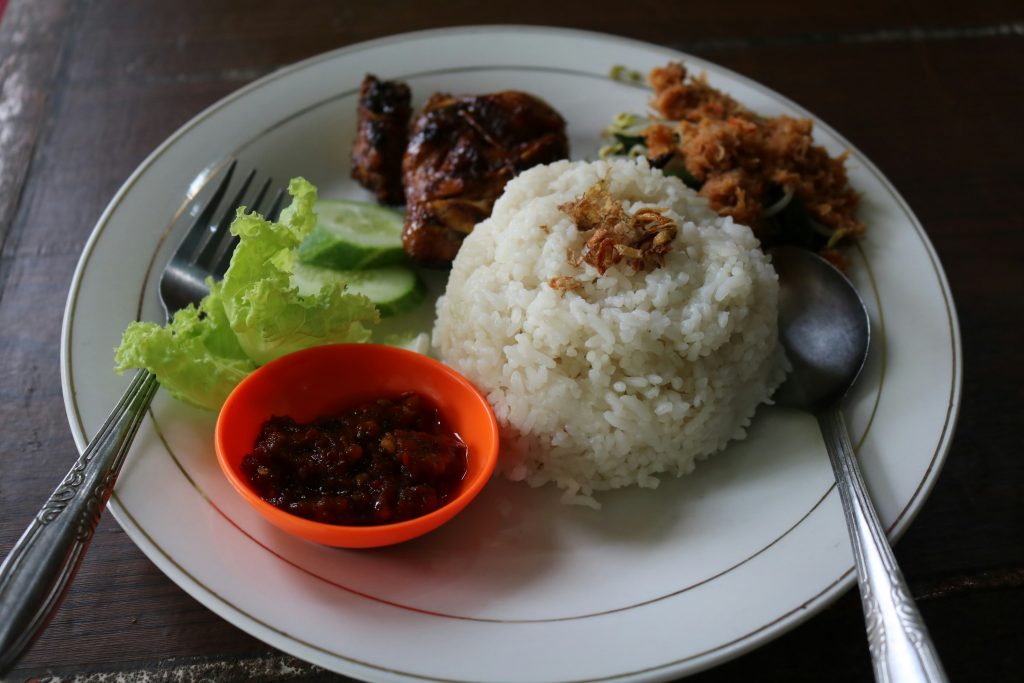
To put this into a local context, here's a rough estimate of the protein content in some popular Singaporean dishes:
- Nasi Lemak (1 plate): ~25g protein
- Hainanese Chicken Rice (1 plate): ~30g protein
- Mee Goreng (1 plate): ~20g protein
- Roti Prata with Egg (1 piece): ~10g protein
Who Should Pay Extra Attention?
Whilst the average Singaporean is likely getting enough protein, certain groups should pay closer attention to their intake:
- Older Adults: As previously mentioned, older adults have higher protein needs to combat age-related muscle loss.
- Women: Women often consume less meat than men and may be more prone to restrictive dieting, potentially leading to inadequate protein intake.
- Teen Girls: Similar to women, teen girls may engage in restrictive eating behaviours, which can negatively impact their protein intake during a critical period of growth and development.
- Vegetarians and Vegans: Plant-based diets can be incredibly healthy, but vegetarians and vegans need to be strategic about their food choices to ensure they're consuming a variety of protein-rich plant foods.
- Active Individuals: If you're regularly engaging in strenuous physical activity, particularly strength training, you may require slightly more protein to support muscle growth and repair.
Protein for Gym-Goers and Athletes

If you're a regular at the gym, you might be tempted to overload on protein shakes and supplements. Whilst protein is undoubtedly important for muscle development, it's crucial to remember that more isn't always better. Experts generally recommend a protein intake of around 1.2 to 1.6 grammes per kilogramme of body weight for individuals who are actively involved in resistance training.
Consuming significantly more protein than this amount is unlikely to result in significantly greater muscle gains. Your body can only process a certain amount of protein at a time, and excess protein will simply be broken down and eliminated.
Protein and Ageing
As we age, we naturally experience a decline in muscle mass, a condition known as sarcopenia. This can lead to reduced strength, mobility, and overall quality of life. Ensuring adequate protein intake is essential for older adults to help slow down muscle loss and maintain their physical function and independence.

Research suggests that older adults may benefit from increasing their protein intake by 25% or more above the standard recommendation. However, it's crucial to achieve this through a balanced and varied diet that prioritises whole food sources of protein rather than relying solely on supplements.
Protein and Weight Loss
High-protein diets have also gained popularity as a weight loss strategy, and they can be effective in certain situations. Protein helps promote satiety, which can reduce overall calorie intake. It also helps preserve lean muscle mass during weight loss, which is crucial for maintaining a healthy metabolism.
However, it's important to recognise that protein is just one component of a successful weight loss plan. Long-term weight management depends on a holistic approach that encompasses a balanced and sustainable dietary pattern, regular physical activity, and healthy lifestyle habits.
Potential Drawbacks of Excessive Protein Consumption
Whilst protein is undoubtedly an essential nutrient, it's important to be aware of the potential downsides of consuming too much:
- Displacing Other Essential Nutrients: Overemphasising protein in your diet can lead to neglecting other vital food groups, such as fruits, vegetables, and whole grains, which provide essential vitamins, minerals, and fibre.
- Increased Risk of Chronic Diseases: Excessive consumption of animal protein, particularly red and processed meats, has been linked to an increased risk of heart disease, type 2 diabetes, and certain types of cancer.
- Strain on the Kidneys: High-protein diets can place a burden on the kidneys, especially in individuals with pre-existing kidney conditions.
Smart Protein Choices in Singapore
Fortunately, Singapore boasts a diverse culinary landscape that offers a wide array of delicious and nutritious protein sources:
- Seafood: Fish, prawns, crabs, and other seafood are excellent sources of lean protein and omega-3 fatty acids.
- Poultry: Chicken and duck are versatile and affordable protein options.
- Eggs: A nutritional powerhouse, eggs are packed with protein, vitamins, and minerals.
- Tofu and Tempeh: These soy-based products are excellent plant-based protein sources and are commonly used in vegetarian and vegan dishes.
- Legumes: Lentils, chickpeas, beans, and other legumes are all excellent sources of plant-based protein and fibre.
- Nuts and Seeds: Almonds, walnuts, chia seeds, and flaxseeds are packed with protein, healthy fats, and other essential nutrients.
- Local Delights: Don't forget about local favourites like tau kwa (firm tofu), edamame, and even certain types of mushrooms, which can contribute to your daily protein intake.
The Bottom Line
Whilst most Singaporeans are currently meeting their basic protein needs, it's crucial to be aware of individual requirements and potential pitfalls. Older adults, women, teen girls, vegetarians, vegans, and active individuals may need to pay closer attention to their protein intake.
The key is to adopt a balanced and varied dietary approach that includes a moderate amount of protein from a diverse range of sources. Avoid falling into the trap of believing that more is always better. If you have specific health concerns or dietary needs, it's always best to consult with a registered dietitian or other qualified healthcare professional for personalised guidance.
A Simple “Right-Amount Protein” Toolkit (No Tracking Apps Required)
Protein is essential — but the healthiest approach is rarely “as much as possible”. Use the steps below to find a sensible range for your body and routine, and to build meals that support muscle, metabolism, and satiety without turning your diet into a supplement plan.
1) Start with a realistic daily range
For many adults, a baseline is about 0.8–1.0 g per kg body weight per day. If you do regular resistance training, a common performance range is about 1.2–1.6 g/kg/day. You do not need to hit an exact number — a sensible range is enough.
2) The distribution rule (this is where most people slip)
Instead of a huge protein hit at dinner plus a shake, aim for protein at breakfast, lunch, and dinner. Spreading it out tends to support better appetite control and muscle maintenance — particularly in older adults.
3) A “whole-food first” protein list (Singapore-friendly)
- Lean and nutrient-dense: fish/seafood, chicken, eggs
- Plant protein staples: tofu, tempeh, tau kwa, edamame, lentils, chickpeas, beans
- Fibre + protein combo: legumes and nuts/seeds (watch portions if you are managing calories)
4) When protein powders make sense (and when they don’t)
Protein powders can be useful if appetite is low, time is tight, or you struggle to eat enough after training. But if shakes are replacing meals, or pushing you towards a very high-protein intake whilst vegetables and whole grains drop off, the “health” benefit usually disappears.
5) Signs you may be underdoing it vs overdoing it
- Possible too little: you feel hungry soon after meals; you struggle to maintain strength; older adults losing muscle unintentionally
- Possible too much (or poorly chosen sources): constipation/low fibre intake; meals skew towards processed meats/bars; overall diet feels “narrow”
Frequently asked questions
Can “too much protein” harm kidneys?
In people with healthy kidneys, moderate higher-protein diets are usually tolerated. But if you have kidney disease (or are at risk),
you should get personalised advice before increasing intake substantially.
Is animal or plant protein better?
You can do well on either. A good rule is to include a mix, and limit processed meats. Whole-food sources matter more than “team animal vs team plant”.
Medical note: This article is for general education and is not a substitute for medical advice. If you have kidney disease, gout, liver disease, are pregnant, or have unexplained weight loss, consult a qualified clinician/dietitian before changing protein intake.
Editorial update: 22 February 2026 — expanded with a quick protein “toolkit”, guidance on distribution across meals, and a practical supplement reality check.
Note: This piece was written as a commissioned feature and has appeared in other health and lifestyle platforms.