Editorial Note:
This article is an expanded and revised edition of a previously commissioned feature. It has been updated to clarify the real risk behind “going to bed hungry” for people with diabetes: overnight low blood sugar (nocturnal hypoglycaemia), morning glucose changes (including the dawn phenomenon), and practical ways to reduce risk without turning bedtime snacking into a daily habit.
Key takeaways (quick read):
- Night-time lows can be dangerous, particularly for people on insulin or glucose-lowering medication.
- High morning readings have different causes (dawn phenomenon vs “rebound” after a night-time low), and the fix depends on which it is.
- A small, balanced snack can help when needed — but the goal is safer overnight stability, not extra calories every night.
Quick action today: if you are on insulin or sulfonylureas, ask your clinician whether you should monitor overnight glucose (especially if you wake sweaty, shaky, or with headaches).
For individuals with diabetes, managing blood sugar levels is a delicate balancing act that doesn’t stop when the day ends. Going to bed hungry may seem harmless, but it can lead to serious complications, especially for those on insulin or other blood sugar-lowering medications. Experts warn that sleeping on an empty stomach can cause unstable blood sugar levels during the night, potentially resulting in nocturnal hypoglycaemia—a condition that can have significant health consequences.
What is Nocturnal Hypoglycaemia?
Nocturnal hypoglycaemia occurs when blood sugar levels drop too low during sleep. This can leave diabetics waking up in a cold sweat, feeling disoriented, or even facing severe complications if the condition goes unchecked. For diabetics, this isn’t just a minor inconvenience—it’s a serious health risk that can disrupt overall blood sugar management and lead to long-term complications.
The Dawn Phenomenon: A Morning Blood Sugar Spike
Adding to the complexity of night-time blood sugar management is the dawn phenomenon. This natural rise in blood sugar levels occurs between 2 a.m. and 8 a.m., triggered by the body’s release of hormones like cortisol, glucagon, and growth hormone. These hormones increase insulin resistance and prompt the liver to release glucose into the bloodstream, leading to higher-than-normal blood sugar levels upon waking.
Whilst the dawn phenomenon is different from nocturnal hypoglycaemia, the two are closely related. In some cases, nocturnal hypoglycaemia can trigger the Somogyi effect, where the body overcompensates for low blood sugar by releasing too much glucose, resulting in high morning blood sugar levels. This can sometimes be mistaken for the dawn phenomenon, making it even more important to manage blood sugar levels carefully during the night.
Continuous Glucose Monitoring: An Innovative Tool
Managing blood sugar levels overnight can be challenging, but technology is making it easier. Continuous Glucose Monitors (CGMs) are an innovative tool that provides real-time insights into blood sugar levels, offering a game-changing solution for diabetics.
A CGM tracks glucose levels 24/7, alerting users to dangerous drops or spikes, even whilst they sleep. This allows diabetics to take immediate action if their blood sugar falls too low during the night, reducing the risk of complications like nocturnal hypoglycaemia. Additionally, CGMs can help identify patterns, such as the dawn phenomenon, enabling more precise adjustments to medication, diet, and lifestyle.
Smart Snack Choices Before Bed
To avoid night-time blood sugar swings, making the right snack choices before bed is crucial. Whilst it might be tempting to reach for something sugary or carb-heavy, these options can cause a rapid spike in blood sugar followed by a sharp drop—exactly what diabetics want to avoid.
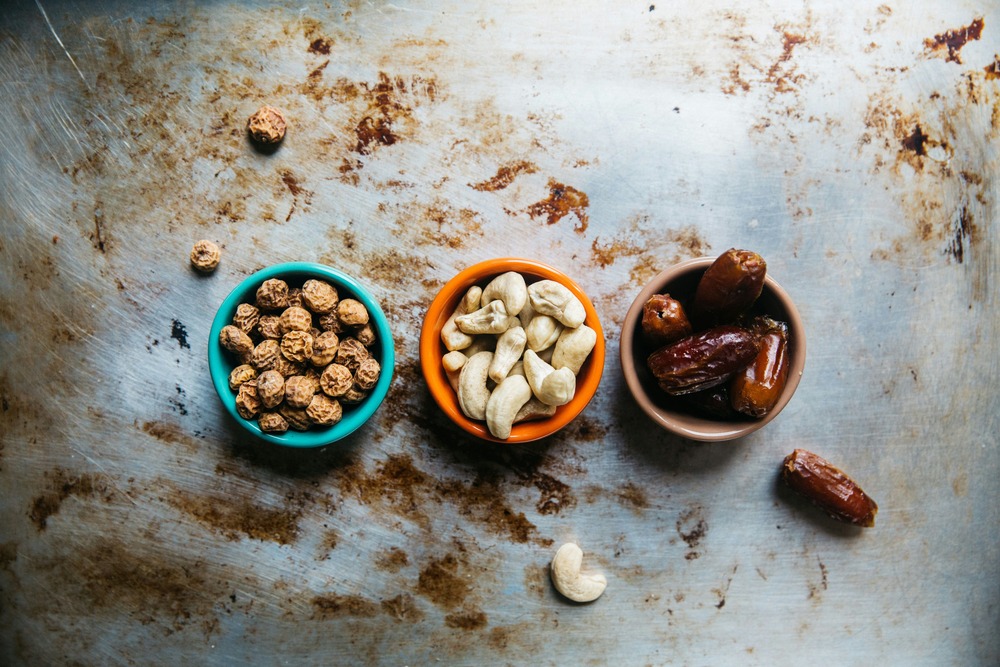
Instead, opt for small portions of protein- or fibre-rich snacks that help stabilise blood sugar levels throughout the night. Some great options include:
- Cheese
- Whole-grain crackers
- Nuts
These snacks not only help prevent nocturnal hypoglycaemia but can also mitigate the effects of the dawn phenomenon, ensuring a smoother start to the day.
Tips for Better Night-time Blood Sugar Control
Managing blood sugar levels overnight doesn’t have to be overwhelming. Here are some practical strategies to help diabetics stay in control:
- Monitor Blood Sugar Regularly: Use a CGM or check your blood sugar levels before bed and in the morning to identify patterns.
- Consult Your Doctor: Work with your healthcare provider to adjust medication timing or dosage if needed.
- Stick to Consistent Meal Times: Regular eating patterns, including a balanced evening meal, can help stabilise blood sugar levels.
- Choose the Right Bedtime Snacks: Opt for protein- and fibre-rich options to maintain stable blood sugar levels overnight.
- Stay Active: Regular exercise improves insulin sensitivity and overall blood sugar control.
Whilst a bedtime snack can be helpful, experts caution against making it a nightly habit. Regular late-night snacking can lead to weight gain, which may indirectly worsen diabetes management. The goal is to strike a balance—address hunger when necessary, but avoid overindulgence.
For diabetics, managing hunger before bedtime is about more than just comfort—it’s about maintaining stable blood sugar levels and preventing complications. By understanding the interplay between nocturnal hypoglycaemia and the dawn phenomenon, and by leveraging innovative tools like CGMs, diabetics can make smarter choices about their evening routines. With the right bedtime snacks, consistent monitoring, and a proactive approach to blood sugar management, individuals can wake up feeling healthier, more energised, and ready to take on the day.
A Safer Bedtime Framework (for People with Diabetes)
“Don’t go to bed hungry” is too simplistic. A better approach is: reduce the chance of an overnight low and avoid unnecessary late-night calories. Use this framework to decide what to do on any given night.
1) Know who is most at risk of night-time lows
- People using insulin (especially with evening doses or dose changes)
- People on certain tablets that can cause lows (e.g., sulfonylureas)
- Anyone who has had recent hypos, intense evening exercise, alcohol, or an unusually light dinner
2) The “before bed” check-in (60 seconds)
- Did I eat a proper dinner (not just a snack)?
- Did I do hard exercise late in the day?
- Did I drink alcohol this evening?
- Do I feel shaky, sweaty, unusually anxious, or “off”?
3) If you genuinely need a bedtime snack, make it stabilising
Choose a small snack that includes protein and/or fibre (and not just sugar). This is about keeping glucose steadier overnight.
- Plain yoghurt (or unsweetened fortified soy yoghurt) + a small handful of nuts
- Whole-grain crackers + cheese or nut butter
- Unsweetened soy milk / milk + a small portion of nuts
Try to avoid a “fast sugar” snack on its own (biscuits, sweets, sweet drinks), which can cause a rapid rise then a drop.
4) Dawn phenomenon vs rebound after a night-time low (why it matters)
Waking up with high blood sugar does not automatically mean you ate “wrong”. It could be the dawn phenomenon (hormone-driven rise in the early hours) or a rebound after an overnight low. The only way to tell is to check glucose overnight (or review CGM trends). Treating the wrong problem can make control worse.
5) When to ask for help (don’t DIY medication changes)
- You wake with night sweats, nightmares, headaches, or confusion
- You have repeated morning highs despite consistent dinners
- You have had any severe hypo or needed assistance
Frequently asked questions
Should everyone with diabetes eat before bed?
Not necessarily. Some people do better without a routine bedtime snack. The decision depends on medication, activity, dinner timing, and glucose patterns.
Is a CGM “worth it”?
For many people prone to hypos or unpredictable patterns, CGMs can be extremely useful because they show overnight trends and can alert to dangerous lows.
Medical note: This article is for general education and is not a substitute for medical advice. If you are on insulin or tablets that can cause hypoglycaemia, speak to your clinician before changing doses, meal timing, or bedtime routines.
Editorial update: 22 February 2026 — expanded with a bedtime decision framework, snack principles, and clearer guidance on dawn phenomenon vs rebound highs.
Note: This piece was written as a commissioned feature and has appeared in other health and lifestyle platforms.