Editorial Note:
This article is an expanded and revised edition of a previously commissioned feature. It has been updated to emphasise a key point that is often missed: hypertension can begin in youth and may remain silent for years, whilst quietly increasing lifetime risk of heart, kidney and brain complications. It also clarifies what “high” blood pressure means for children and teens (it is not the same cut-off as adults), and what families can do now to reduce risk.
Key takeaways (quick read):
- Young people can have high blood pressure — and it is often missed because symptoms are uncommon.
- Children’s BP is diagnosed by percentiles (age/sex/height), not the adult “140/90” rule.
- Lifestyle shifts work: salt reduction, daily activity, healthy weight and sleep can meaningfully improve BP over time.
Quick action today: if there is a family history of hypertension, diabetes, kidney disease, or a child is overweight, ask at the next clinic visit whether blood pressure should be checked regularly and recorded over time.
When most people think of high blood pressure, or hypertension, they picture older adults. However, a worrying trend is emerging: hypertension is increasingly being diagnosed in young people, including teenagers and even children. This silent condition, often without obvious symptoms, can have lifelong consequences if not recognised and managed early.
Understanding Hypertension in the Young
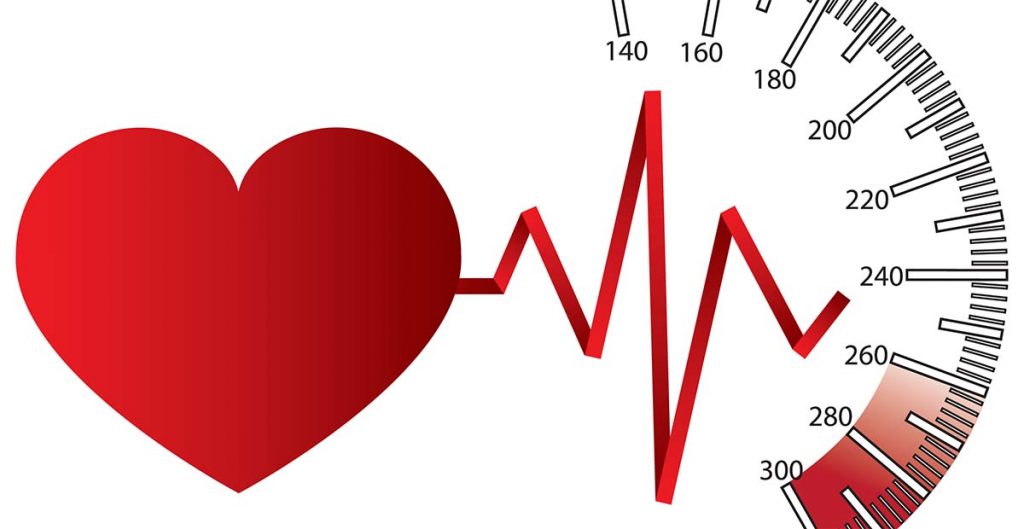
Hypertension is defined as consistently elevated blood pressure above the normal range for age, sex, and height. In adults, the threshold is generally 140/90 mmHg, but in children and adolescents, the diagnosis is based on percentiles adjusted for these factors. According to a systematic review, the global prevalence of hypertension in children and adolescents is about 4%, with pre-hypertension or elevated blood pressure affecting nearly 10% of those under 19 years old. Notably, the East Asian and Pacific regions—including Singapore—bear some of the highest absolute burdens of high blood pressure in youth, and the prevalence is rising in tandem with increasing rates of childhood obesity and sedentary lifestyles.
Whilst Singapore-specific paediatric hypertension data are limited, local studies and Ministry of Health reports indicate that the risk factors and trends mirror those seen across Asia. For example, a study in Singapore found that Malay youths are at higher risk of hypertension compared to other ethnic groups, and that the prevalence of hypertension amongst adolescents in school-based settings is only slightly lower than in adults. Regional data suggest that between 3% and 5% of children and adolescents in Singapore may have hypertension, with higher rates amongst those who are overweight or obese.
The causes of hypertension in young people can be divided into two broad categories: primary (essential) and secondary hypertension.
Primary hypertension is increasingly common in older children and adolescents, and is often linked to lifestyle factors. The main contributors include obesity (with up to 30% of obese children showing elevated blood pressure), high intake of salt and processed foods, sedentary behaviour, family history, and stress. Secondary hypertension, more common in younger children, is usually due to underlying medical conditions such as kidney disease, congenital heart defects, or hormonal disorders.
The Hidden Dangers
Hypertension is often called the "silent killer" because it rarely causes symptoms until significant damage has occurred. In young people, the consequences can be particularly severe because the condition may go undetected for years. Some of the long-term risks include heart damage, kidney disease, increased risk of stroke, vision problems, and even cognitive and developmental issues. Research shows that hypertension in childhood often tracks into adulthood, increasing the risk of cardiovascular disease and early death.
Because hypertension is often asymptomatic, regular screening is essential. The American Academy of Pediatrics recommends that children have their blood pressure measured annually from the age of three, and more frequently if they have risk factors such as obesity, kidney disease, or a family history of hypertension. In Singapore, paediatricians and school health services are increasingly aware of the need for early detection, especially as local rates of childhood obesity and diabetes rise.
Prevention and Management
The good news is that hypertension in young people is often preventable and manageable. Key strategies include encouraging a diet rich in fruits, vegetables, and whole grains, limiting salt and processed foods, promoting at least 60 minutes of physical activity daily, maintaining a healthy weight, reducing screen time, and teaching healthy ways to cope with stress. In some cases, medication may be necessary, but lifestyle changes remain the cornerstone of prevention and management.
Parents also play a vital role in modelling healthy behaviours and ensuring regular medical check-ups. Schools can support healthy eating and physical activity through their programmes and policies. Healthcare providers should be vigilant in screening for hypertension and providing guidance on prevention and management.
Protecting the Next Generation
Hypertension is no longer just a concern for adults. The increasing prevalence amongst young people, including children, is a public health issue that demands attention in Singapore and across the region. Early detection, healthy lifestyle habits, and appropriate medical care can prevent the serious complications associated with high blood pressure. By working together—families, schools, and healthcare professionals—we can help ensure that the next generation grows up healthy and strong, free from the silent dangers of hypertension.
A Parent-and-Young-Adult Action Plan (That Goes Beyond “Eat Less Salt”)
Because high blood pressure rarely “feels” like anything, the most effective approach is to treat it as a measurement problem first, then a habit environment problem. This plan is designed to be practical for families, students and young working adults.
1) Get the measurement right (to avoid false alarms)
- One high reading is not a diagnosis — BP should be checked on repeat visits.
- Use an appropriate cuff size and sit quietly for a few minutes before measuring.
- For children and teens, clinicians interpret readings using age/sex/height percentiles.
- If results are inconsistent, ask whether home BP monitoring or ambulatory monitoring is appropriate.
2) Know the “youth” drivers (it’s not just genetics)
- High-salt diets (processed foods, instant noodles, sauces, deli meats)
- Low activity and lots of sitting (study + screens + commuting)
- Poor sleep and irregular sleep timing
- Stress (and coping via sugary drinks, snacks, vaping/smoking or alcohol)
- Excess weight gain, especially around the abdomen
3) A 2-week “BP-friendly” reset you can actually stick to
- Move daily: aim for 60 minutes for kids/teens; adults can start with 30 minutes most days.
- Swap one meal a day: choose a less-processed option (more vegetables, lean protein, less gravy/sauce).
- Cut liquid sugar: keep sugary drinks as an occasional treat; choose water/unsweetened drinks most days.
- Sleep anchor: set a consistent wake time; protect 7–9 hours for most adults, and more for teens.
The goal is not perfection. It is to create enough repetition that blood pressure has a chance to come down over weeks and months.
4) When to consider secondary causes (especially in younger children)
In younger children, hypertension can sometimes be secondary to an underlying condition (for example, kidney issues). If BP is persistently high, clinicians may consider further evaluation rather than assuming it is purely lifestyle-related.
Frequently asked questions
Can stress alone cause hypertension?
Stress can raise BP temporarily and can also drive habits that raise BP over time (sleep loss, alcohol, high-salt convenience food). It is part of the picture.
If a teen is slim, can they still have high BP?
Yes. Weight is a risk factor, not a rule. Family history, diet (especially salt), sleep and other medical issues can still matter.
Medical note: This article is for general education and is not a substitute for medical advice. Seek medical assessment if blood pressure is repeatedly elevated, or if there are warning signs such as chest pain, fainting, severe headaches, breathlessness, or visual changes.
Editorial update: 22 February 2026 — expanded with a measurement checklist, a realistic 2-week reset plan, and guidance on when to consider secondary causes.
Note: This piece was written as a commissioned feature and has appeared in other health and lifestyle platforms.