Editorial Note:
This article is an expanded and revised edition of a previously commissioned feature. It has been updated to add clearer context on what the carnivore diet actually removes (fibre, fruit/veg, many protective nutrients), and why the reported kidney risks are biologically plausible: high animal protein intake can change urine chemistry in ways that may increase kidney-stone risk, especially in those already prone to stones.
Key takeaways (quick read):
- One case report is a warning signal, not final proof — but the mechanism (stone-friendly urine changes) is well recognised.
- Risk is not equal for everyone: prior kidney stones, low fluid intake, high salt intake, and heavy reliance on processed meats can raise risk.
- A less extreme approach is usually safer: keep protein, but bring back fibre-rich plants and adequate hydration.
Quick action today: if you are trying a high-meat diet, prioritise hydration and discuss kidney-stone risk with a clinician, especially if you have a personal/family history of stones.
The carnivore diet, which has surged in popularity for its supposed weight loss and mental health benefits, is now under scrutiny after a recent study linked it to a dangerous kidney condition. This diet, which eliminates all plant-based foods in favour of animal-derived products, is high in fat and cholesterol but extremely low in carbohydrates and fibre. Whilst some followers claim it helps with weight loss and inflammation, health experts are raising alarms about its long-term safety.
What Is the Carnivore Diet?
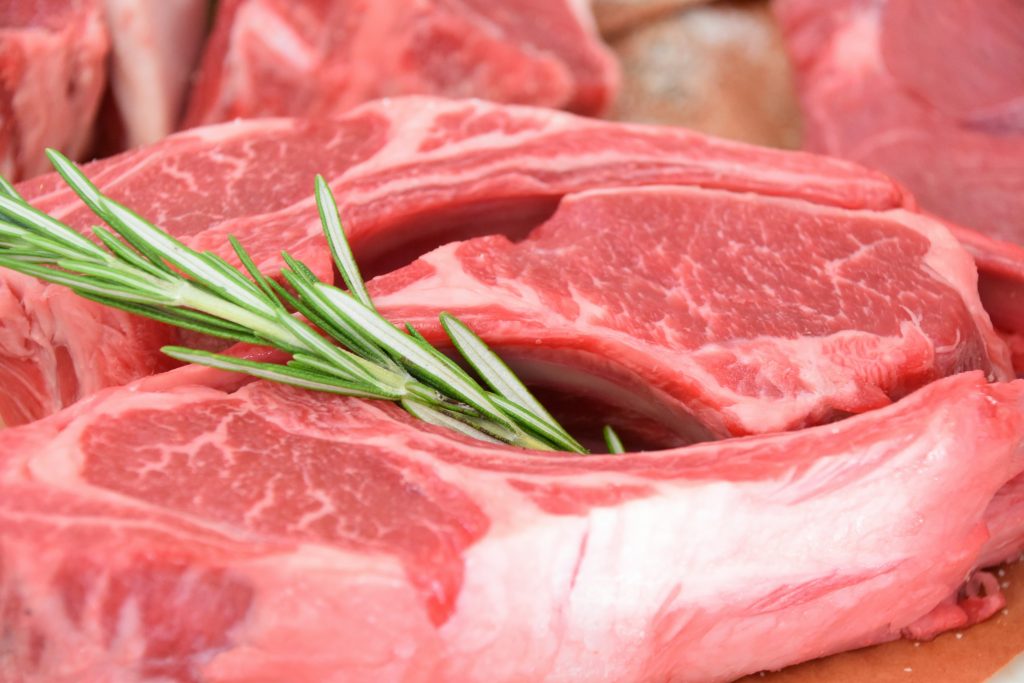
The carnivore diet is a restrictive eating pattern that encourages people to consume only animal products—meat, eggs, and some dairy—whilst cutting out all fruits, vegetables, grains, and legumes. Proponents believe that by eliminating carbohydrates, the body is forced to burn fat for energy, leading to rapid weight loss. However, this approach is not in line with mainstream dietary guidelines, which recommend that 45% to 65% of daily calories come from carbohydrates.
A new study, published in The American Journal of Clinical Nutrition, has highlighted the potential dangers of the carnivore diet, particularly the increased risk of developing kidney stones. The study followed a 68-year-old man who adopted the diet after learning about it on YouTube. Although he lost significant weight, medical tests a year later revealed the early stages of kidney stone formation. He was found to be at risk for all three major types of kidney stones: calcium oxalate, calcium phosphate, and uric acid stones. Fortunately, after discontinuing the diet, his kidney health improved, and he was free of stones a year later.

Researchers explained that the high intake of animal protein, combined with the exclusion of dairy, fruits, and vegetables, creates an environment in the body that is ideal for kidney stone formation. The lack of fibre and essential nutrients further exacerbates the risk. The study’s authors also warned that the lack of scientific literature on the safety and efficacy of such fad diets should concern both the public and healthcare professionals, especially as social media continues to fuel their popularity.
The Impact of Excess Protein on Kidneys
According to Harvard Health, consuming too much animal protein—such as red meat, poultry, eggs, and seafood—can increase the risk of kidney stones, particularly in those already prone to them. In contrast, a diet rich in fibre from plant-based foods supports gut health and may help prevent kidney stones.
Kidney stones are hard deposits of minerals and salts that form inside the kidneys. Whilst many stones pass naturally through urine, the process can be extremely painful. In severe cases, large stones can block urine flow, leading to infections or even life-threatening complications like sepsis.
Beyond kidney stones, the carnivore diet’s high saturated fat content can raise LDL (bad) cholesterol levels, increasing the risk of heart disease and stroke. Processed meats, which are often included in this diet, are also high in salt, potentially raising blood pressure.
Whilst the carnivore diet may promise quick results, the risks—especially to kidney health—are significant. Experts recommend a balanced diet that includes a variety of plant-based foods to ensure adequate intake of fibre, vitamins, and minerals. Before making drastic changes to your eating habits, it is always best to consult a healthcare professional.
How to Read This Study (and Make Safer Choices if You’re Carnivore-Curious)
The headline is alarming, but the most helpful takeaway is practical: ultra-restrictive diets can create predictable trade-offs. Here’s how to interpret the evidence and reduce risk if you are considering (or already doing) a high-meat, very low-carb approach.
1) Evidence check: what a case report can and can’t tell us
- Can tell us: a plausible risk pattern worth taking seriously; what clinicians should watch for.
- Can’t tell us: how common the problem is; whether the diet caused it for everyone; the exact risk level across populations.
Even so, kidney-stone risk with very high animal-protein intake is not a “new” idea — it fits established kidney-stone physiology.
2) Why high-meat diets can increase stone risk (plain English)
When animal protein intake is very high and plant foods are removed, urine chemistry may shift in stone-friendly ways (for example, becoming more acidic, with changes that can favour uric-acid stones and contribute to other stone types). Separately, lower fibre intake may affect gut and metabolic health, and a higher salt load (common with processed meats) can also worsen stone risk.
3) Quick self-screen: who should be extra cautious
- History of kidney stones (any type) or strong family history
- Low fluid intake (dark urine most days)
- High intake of processed meats and salty foods
- Known kidney disease, gout, or recurrent urinary infections
4) A safer “de-extreming” plan (keep the benefits, drop the risk)
If you like the simplicity of carnivore, consider a step-down version for a few weeks:
- Keep protein, but add back fibre-rich plants (vegetables, legumes, whole grains if tolerated).
- Choose more fish, eggs, and unprocessed meats; reduce processed meats.
- Prioritise hydration (aim for pale-yellow urine most of the day, unless your clinician has given fluid restrictions).
- If dairy suits you, a moderate amount may help some people meet nutrient needs without relying on processed foods.
5) Signs you should stop and get checked
- Severe flank/back pain, nausea/vomiting (possible stone)
- Blood in urine, fever, burning urination (possible infection)
- Persistent constipation, dizziness, palpitations, or extreme fatigue
Medical note: This article is for general education and is not a substitute for medical advice. If you have kidney disease, a history of kidney stones, gout, or are taking medications that affect kidney function, speak to a clinician before attempting a highly restrictive diet.
Editorial update: 22 February 2026 — added an evidence-read guide, a risk self-screen, and a safer step-down plan for readers considering carnivore.
Note: This piece was written as a commissioned feature and has appeared in other health and lifestyle platforms.