Editorial Note:
This article is an expanded and revised edition of a previously commissioned feature. It has been updated to make the “so what?” clearer: cholesterol is a long-game risk — the earlier it is detected (especially in your 20s and 30s), the easier it is to reduce lifetime heart-attack and stroke risk. This update also adds a simple testing cadence and a “red flags” checklist for people who may need earlier or more frequent screening.
Key takeaways (quick read):
- You can feel fine and still have high LDL; symptoms often appear only after years of artery plaque build-up.
- First check from around age 20 is a useful baseline; repeat sooner if you have risk factors.
- Family history changes everything: very high LDL or early heart disease in relatives may point to inherited risk (e.g., FH).
Quick action today: if you do not know your numbers, book a fasting lipid profile and write down your LDL, HDL and triglycerides. Ask when you should repeat it based on your risk.
Cholesterol Isn't Only an Old-People Problem: When Should You Check Yours?
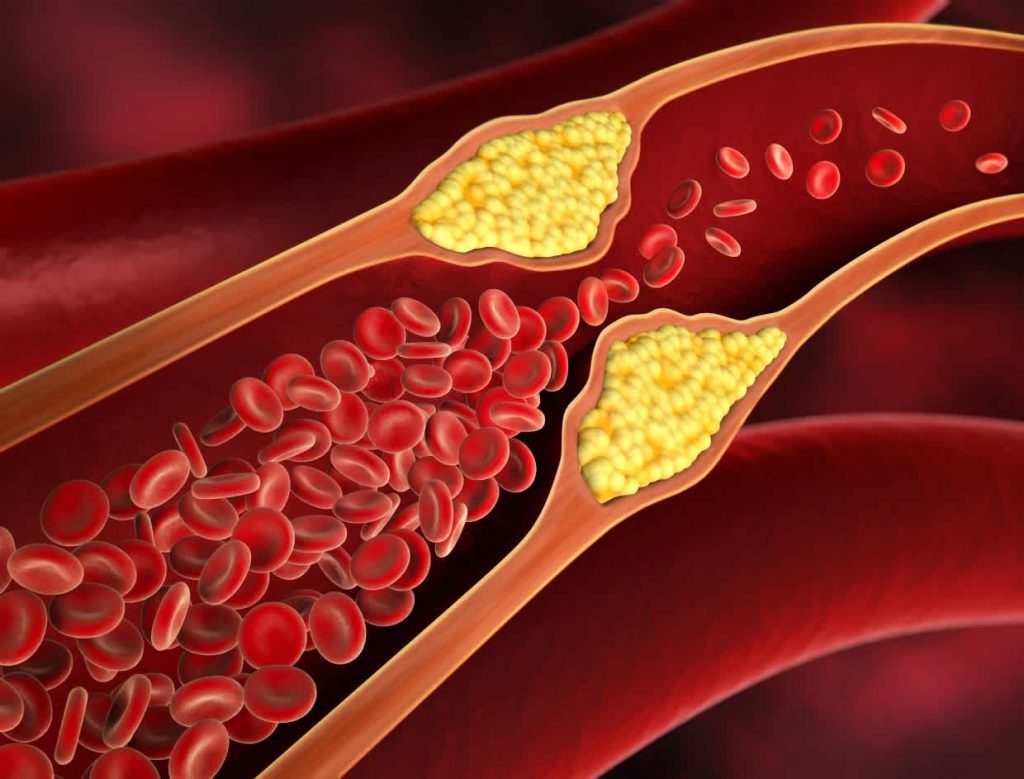
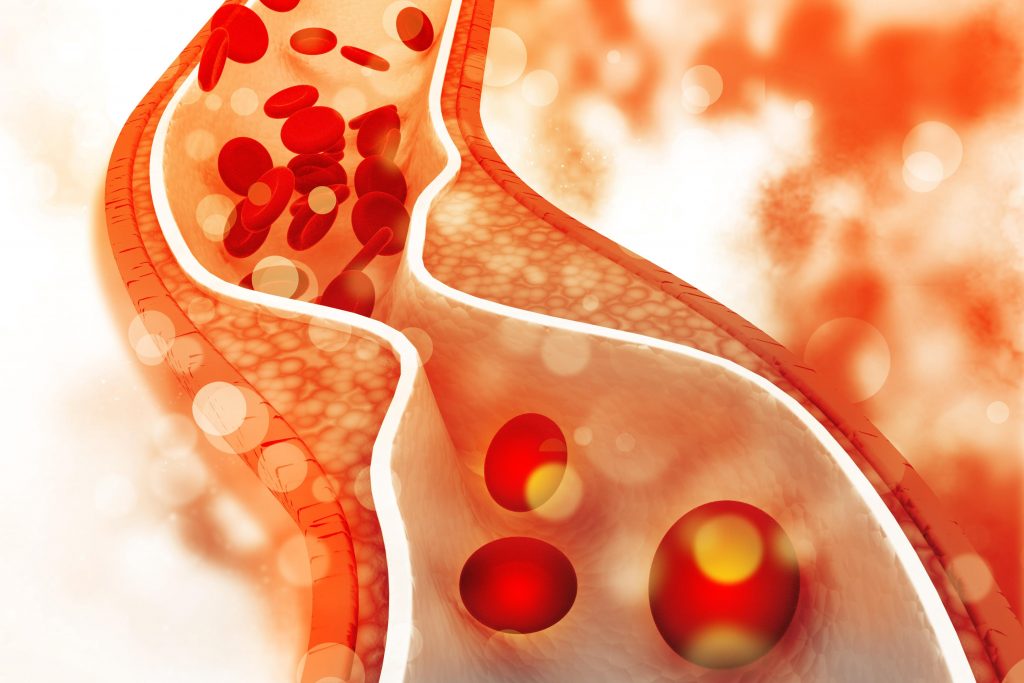
Cholesterol is often called a "silent killer" because it can quietly build up in your arteries for years, increasing your risk of heart attack and stroke—without any obvious symptoms. Many Singaporeans assume cholesterol checks are only necessary after 40, but new expert advice and local health trends suggest we should be starting much earlier. Here's what you need to know, with a focus on Singapore's unique context.
Why Early Cholesterol Checks Matter in Singapore
Leading cardiologists recommend that adults have their cholesterol checked for the first time at age 20, especially if there is a family history of heart disease. The recommended test is a fasting lipid profile, which measures total cholesterol, LDL ("bad" cholesterol), HDL ("good" cholesterol), and triglycerides. If your results are normal, you can wait four to six years before your next test. However, if you have risk factors—such as a family history of heart disease, diabetes, high blood pressure, or obesity—you should be screened earlier and more frequently.
Singapore's fast-paced, urban lifestyle means many of us are at risk of developing high cholesterol earlier than we might expect. Sedentary desk jobs, high-stress environments, and easy access to rich, processed foods all contribute to rising cholesterol levels amongst young adults. Local statistics highlight the urgency: Cardiovascular disease (CVD) is the leading cause of death in Singapore, accounting for nearly 1 in 3 deaths in 2022, according to the Singapore Heart Foundation.
The 2019 National Population Health Survey found that 33.6% of Singapore residents aged 18 to 74 had high blood cholesterol. Alarmingly, the prevalence of high cholesterol amongst those aged 30 to 39 was already 26.2%, showing that this is not just an issue for older adults. Early cholesterol screening is especially important for Singaporeans of South Asian and Malay descent, as studies show these groups are genetically predisposed to higher cholesterol and heart disease risk, even at a young age.

Who Is More at Risk—and What Can You Do?
Whilst high cholesterol can affect anyone, certain groups in Singapore are at greater risk due to a combination of genetic, lifestyle, and health factors. If you have a family history of high cholesterol or early heart disease, you are more likely to develop high cholesterol yourself, sometimes due to inherited conditions like familial hypercholesterolaemia. Ethnicity also plays a role, with South Asians and Malays in Singapore facing a higher risk of metabolic conditions, including high cholesterol, often linked to both genetic factors and dietary patterns.
Lifestyle factors are significant contributors. An unhealthy diet, characterised by frequent consumption of processed foods, deep-fried hawker fare, and rich, creamy dishes, can raise cholesterol levels. A lack of physical activity, common with desk jobs, reduces HDL ("good") cholesterol and increases LDL ("bad") cholesterol. Obesity is another major factor; excess body fat, particularly around the abdomen, can alter how your body processes fats and sugars.
Several existing health conditions also increase susceptibility. Individuals with diabetes often have higher triglyceride levels and lower HDL cholesterol, a combination that significantly increases heart disease risk. High blood pressure often co-exists with high cholesterol, dramatically increasing the risk of heart disease and stroke. Women with Polycystic Ovary Syndrome (PCOS) are also at higher risk of developing high cholesterol, insulin resistance, and obesity.
One of the most dangerous aspects of high cholesterol is that it rarely causes symptoms until significant damage has occurred. Some late-stage signs—such as chest pain, fatty deposits around the eyes, or numbness in the limbs—only appear after years of silent buildup. This is why proactive testing is the only reliable way to monitor your cholesterol and prevent irreversible heart damage.
To maintain healthy cholesterol levels, consider these evidence-based lifestyle changes: Eat a balanced diet rich in fibre, whole grains, fruits, and vegetables. Exercise regularly, aiming for at least 150 minutes of moderate activity per week, whether it's brisk walking around your HDB estate or cycling at East Coast Park. Manage stress through mindfulness or a walk in Singapore's green spaces. Avoid smoking, limit alcohol consumption, and prioritise 7–9 hours of sleep nightly.

Singapore's multicultural diet is both a blessing and a challenge. Whilst there are plenty of healthy options, many local dishes like char kway teow, laksa, and fried chicken rice are high in saturated fats and cholesterol. Opt for healthier alternatives when possible, and be mindful of portion sizes. Additionally, Singapore's Health Promotion Board (HPB) offers subsidised health screenings under the Screen for Life programme, making it easier and more affordable for residents to monitor their health.
Cholesterol checks are not just for older adults. Starting at age 20 can make a significant difference in your long-term heart health. Regular screenings, combined with healthy lifestyle habits, can protect you from serious complications down the line. Your heart health is in your hands. Do not wait until it is too late—take the first step towards a healthier future today.
A Simple “When to Test” Guide (Plus What to Do with the Results)
Cholesterol results can feel abstract because nothing hurts — until it does. The most useful way to think about cholesterol is: you are buying down long-term risk. Use this guide to decide when to test, and what to do next.
1) When should you check your cholesterol?
- Baseline in early adulthood: a first lipid profile gives you a starting point for the next decade.
- Repeat every few years if normal, but sooner if your weight, blood pressure, or glucose changes.
- Check earlier/more often if you have diabetes/prediabetes, hypertension, kidney disease, PCOS, smoke, or have a strong family history.
2) The “family history” shortcut (don’t skip this)
Ask relatives two questions: “Any early heart attack/stroke?” and “Anyone told they have very high LDL?” A strong family pattern can suggest inherited risk (such as familial hypercholesterolaemia), where early treatment matters.
3) What to do after you get your results
- Write down the key numbers: LDL, HDL, triglycerides (and total cholesterol).
- Ask for interpretation in context: cholesterol is assessed alongside blood pressure, HbA1c/glucose, weight/waist and smoking status.
- Agree on a follow-up plan: “What should I change first, and when do we recheck?”
4) The “highest impact” lifestyle moves (without extremes)
- Fibre up: vegetables, fruit, oats, legumes and whole grains help reduce LDL.
- Swap fats: choose more unsaturated fats (nuts, seeds, olive/canola oils, fish) and less deep-fried/ultra-processed foods.
- Move consistently: aim for at least 150 minutes/week moderate activity; add strength twice weekly.
- Sleep and stress: chronic sleep debt and high stress can worsen eating patterns and metabolic markers.
Frequently asked questions
If I’m young and slim, can I still have high cholesterol?
Yes — especially if it runs in the family. Genetics can drive high LDL even with a healthy lifestyle.
Should I start supplements?
Supplements are not a shortcut for most people. It’s better to review diet, activity, and whether medication is appropriate based on your overall risk.
Medical note: This article is for general education and is not a substitute for medical advice. If you have chest pain, breathlessness, fainting, or stroke-like symptoms, seek urgent medical care. For personalised cholesterol targets and screening intervals, consult a qualified clinician.
Editorial update: 22 February 2026 — expanded with a “when to test” guide, a family-history checklist, and a next-step script for interpreting lipid results.
Note: This piece was written as a commissioned feature and has appeared in other health and lifestyle platforms.