Editorial Note:
This article is an expanded and revised edition of a previously commissioned feature. It has been updated to make the practical takeaway unmissable: diabetic eye disease can progress with no symptoms, and vision that is lost may not be recoverable. The updated edition adds a clear screening roadmap (what to book, when to book it, and what “urgent” looks like), so readers are not left with fear — just action.
Key takeaways (quick read):
- No symptoms ≠ no damage: retinopathy can develop silently for years.
- Annual dilated eye screening matters for most people with diabetes, even if eyesight feels “fine”.
- Control the big three: blood glucose, blood pressure, and cholesterol — all affect eye risk.
Quick action today: if you have diabetes and cannot remember your last dilated eye exam/retinal screening, book one this month and set a yearly reminder.
When most people think about diabetes, they often worry about blood sugar levels, heart disease, or kidney problems. However, one of the most serious and permanent complications of diabetes is its effect on your eyes. Diabetic eye disease can lead to irreversible vision loss, and because it is not immediately life-threatening, it often does not get the attention it deserves. Yet, for those affected, losing sight can be devastating and life-changing.
How Does Diabetes Affect Vision?
Diabetes can damage the small blood vessels in the retina, which is the light-sensitive layer at the back of your eye. This damage is called diabetic retinopathy. High blood sugar levels over time make these blood vessels weak and leaky. They may bleed or leak fluid, causing the retina to swell and function poorly.
As the disease progresses, new, abnormal blood vessels may start to grow in the retina. These new vessels are fragile and can bleed easily, leading to more severe vision problems. In some cases, scar tissue can form, pulling on the retina and even causing it to detach from the back of the eye—a medical emergency that can result in permanent blindness.
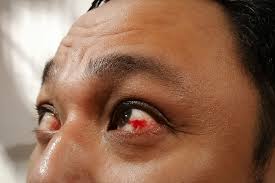
Diabetes also increases the risk of other eye conditions, such as diabetic macular oedema (swelling in the central part of the retina), cataracts (clouding of the eye's lens), and glaucoma (increased pressure in the eye). All of these conditions can contribute to vision loss.
Why Is the Damage Irreversible?
The retina is made up of delicate nerve cells that are essential for vision. Once these cells are damaged or die, they cannot grow back. This means that any vision lost due to diabetic eye disease is permanent. Whilst treatments can help slow down the progression of the disease or manage symptoms, they cannot restore vision that has already been lost.
This is why early detection and prevention are so important. The earlier diabetic eye disease is found, the better the chances of preserving your sight. Once the damage is done, there is no way to reverse it.
Why Isn't More Attention Paid to Diabetic Eye Disease?
Unlike heart attacks or kidney failure, losing your sight from diabetes does not usually result in death. Because of this, diabetic eye disease often gets less attention from both the public and healthcare providers. Many people with diabetes are not aware of the risks to their eyes until they start to notice problems with their vision. By then, significant and irreversible damage may have already occurred.
There is also a lack of public awareness about how common and serious diabetic eye disease is. People may not realise that vision loss from diabetes is preventable if caught early. As a result, not enough resources are devoted to screening, education, and support for those at risk.
Spotting the Symptoms: What Should You Look Out For?
One of the most dangerous things about diabetic eye disease is that it often develops without any symptoms in the early stages. You might not notice any changes in your vision until the disease has already caused significant damage.
As diabetic eye disease progresses, you may start to notice:
- Blurred or fluctuating vision, where your sight becomes less sharp or seems to change from day to day
- Dark or empty spots in your field of vision
- Difficulty seeing at night, which can make driving or moving around in low light more challenging
- Colours appearing faded or washed out, making it harder to distinguish between different shades
- Sudden vision loss (a medical emergency—seek care immediately)
If you experience any of these symptoms, it is important to see an optometrist or ophthalmologist as soon as possible.
What Can You Do to Protect Your Vision?
The good news is that most vision loss from diabetes can be prevented with the right steps. Here's what you can do:
- Keep key numbers under control: Manage your blood sugar, blood pressure, and cholesterol. High levels of any of these increase your risk of eye complications. Work with your doctor to set and achieve healthy targets.
- Go for regular eye exams: Everyone with diabetes should have a comprehensive dilated eye exam at least once a year, even if their vision seems fine. These exams can detect early signs of diabetic eye disease before you notice symptoms.
- Act on changes quickly: If you notice anything unusual, such as blurriness or dark spots, seek medical advice straight away. Do not wait for your next scheduled appointment.
- Adopt a healthy lifestyle: Eat a balanced diet, exercise regularly, and avoid smoking. These habits not only help control diabetes but also protect your eyes and overall health.

The Situation in Singapore: A Growing Concern
Singapore has one of the highest rates of diabetes in the world. About 10% of adults aged 18 to 69 have diabetes. Of these, around 30% develop diabetic retinopathy, and about 10% of those have vision-threatening forms of the disease. This means thousands of Singaporeans are at risk of losing their sight due to diabetes, often without realising it until it is too late.
MOH's Stance and National Efforts
The Ministry of Health (MOH) in Singapore recognises how serious diabetic eye disease is. As part of the national "War on Diabetes" campaign, MOH focuses on three main areas: prevention through healthy living, early detection and intervention, and better disease management. Public education and the use of technology are also key parts of their strategy.
To tackle diabetic eye disease, MOH, together with the Singapore National Eye Centre (SNEC) and the Singapore Eye Research Institute (SERI), set up the Singapore Integrated Diabetic Retinopathy Programme (SiDRP). This programme provides centralised, real-time screening for diabetic retinopathy at all polyclinics. Advanced technology, including artificial intelligence, is used to ensure quick and accurate results. More than 600,000 patients have been screened, and almost all reports are ready within one business day. This approach helps catch eye problems early and saves both money and specialist time.
What More Can Be Done?
Whilst Singapore has made significant progress in screening and early detection, there is always more that can be done—both at the national level and by individuals themselves.
Firstly, it is important for everyone with diabetes to take personal responsibility for their eye health. This means not only attending annual eye screenings but also keeping up with regular medical appointments for diabetes management. If you have not had an eye check in the past year, make an appointment at your nearest polyclinic or eye clinic.
If you are unsure where to start, speak to your family doctor or diabetes nurse. They can refer you for an eye screening and explain what to expect. Many polyclinics and community health centres in Singapore offer subsidised screening services, making it affordable for everyone. If you are a CHAS, Pioneer Generation, or Merdeka Generation cardholder, you may be eligible for further subsidies.
For those who have already been diagnosed with diabetic eye disease, do not lose hope. Whilst lost vision cannot be restored, there are treatments available to slow down the progression of the disease and help you make the most of your remaining sight. These may include laser therapy, injections, or surgery, depending on the severity of your condition. Your eye specialist will discuss the best options for you.
Support is also available beyond medical treatment. Organisations such as Diabetes Singapore and the Singapore Association of the Visually Handicapped (SAVH) offer resources, counselling, and support groups for people living with diabetes and vision loss. Reaching out to these groups can help you learn how to adapt, connect with others facing similar challenges, and access practical assistance for daily living.
Finally, education is key. Share what you have learned about diabetic eye disease with your family and friends, especially if they have diabetes. Encourage them to go for regular screenings and to take their eye health seriously. The more people know about the risks and the steps they can take, the more preventable vision loss becomes.
Protecting your vision from diabetes is a team effort—between you, your healthcare providers, and the wider community. Don't wait for symptoms to appear. Take action today: book your screening, manage your diabetes, and seek help if you need it. Your sight is worth it.
Diabetic eye disease is a silent, irreversible threat that deserves much more attention. By understanding the risks, recognising the symptoms, and taking proactive steps, you can protect your vision for years to come. Remember: once your sight is lost, it cannot be restored—so don't wait until it's too late. Make your eye health a priority today.
If you or someone you know is living with diabetes, share this information and encourage regular eye checks. Vision is precious—let's not take it for granted.
Protect Your Sight: A Simple Screening-and-Action Checklist
The most dangerous belief about diabetic eye disease is: “I’ll go when my vision changes.” By the time vision is affected, damage may already be significant. Use this checklist to turn awareness into a routine.
1) What to book (and what to ask for)
- Retinal screening / dilated eye exam: ask specifically whether the exam includes looking at the retina (not just a glasses prescription).
- Bring your numbers: recent HbA1c, blood pressure, and lipid results help clinicians interpret risk.
- Ask about follow-up timing: “When should I repeat this — and what would change that schedule?”
2) The “urgent” symptoms (don’t wait for your next appointment)
- Sudden loss of vision in one or both eyes
- A new shower of floaters, flashes, or a “curtain” over vision
- Rapidly worsening blur that does not settle
- Eye pain with redness and nausea (especially if you have glaucoma risk)
These can be time-sensitive. When in doubt, treat sudden changes as urgent.
3) The three levers that protect the retina (practical, not perfect)
- Glucose trends: aim for steadier patterns (big spikes and frequent highs raise risk over time).
- Blood pressure control: hypertension accelerates retinal vessel damage.
- Cholesterol management: lipids influence vascular health and macular oedema risk.
4) If screening finds early retinopathy: what to do next
- Do not panic — early changes are common and often manageable.
- Ask what stage it is (mild/moderate/severe; macular oedema vs no oedema) and what that means for follow-up frequency.
- Request a clear plan for the next 3–6 months: which numbers to tighten, which medications may be adjusted, and when you’ll recheck.
- If treatment is recommended (laser, injections, surgery), ask about the goal: preventing progression vs improving vision.
Frequently asked questions
Does good eyesight mean I don’t have retinopathy?
Not necessarily. Retinopathy can develop silently. Screening is the only reliable way to know early.
If my diabetes is “mild”, do I still need yearly checks?
In most cases, yes. Risk depends on duration, glucose patterns, and blood pressure — not just how you feel day to day.
Medical note: This article is for general education and is not a substitute for medical advice. For personalised screening intervals and treatment decisions, consult an optometrist/ophthalmologist and your diabetes care team.
Editorial update: 22 February 2026 — expanded with a “what to book” checklist, urgent symptom guide, and a next-step plan for early retinopathy findings.
Note: This piece was written as a commissioned feature and has appeared in other health and lifestyle platforms.