Editorial Note:
This article is an expanded and revised edition of a previously commissioned feature. It has been updated to add important nuance: “sugar-free” does not automatically mean “risk-free”, but the strongest evidence around diet drinks is largely associational (it shows patterns, not definite cause). This updated edition explains what the research can and cannot prove, and offers a practical way for people with diabetes or prediabetes to use (or avoid) diet soda without drifting into all-or-nothing thinking.
Key takeaways (quick read):
- Diet soda won’t usually spike glucose like sugar, but it may still affect appetite, cravings and habits for some people.
- Most headline studies show association — confounding (and “reverse causation”) can inflate risk estimates.
- Best default drink: water, sparkling water, unsweetened tea/coffee; use diet drinks as an occasional tool, not a daily anchor.
Quick action today: if you drink diet soda daily, try a 14-day experiment: swap one can a day for sparkling water or unsweetened tea, and track cravings, snacking and energy.
For decades, diet sodas have been the go-to beverage for those seeking a sweet fix without the sugar rush. Marketed as a healthier alternative to regular soft drinks, they're especially popular amongst people with diabetes, who are often told that "sugar-free" means "safe." But mounting scientific evidence is challenging this assumption, revealing that diet sodas may not only be unhelpful for diabetics—they could actually be harmful.
The Promise of Diet Soda: Too Good to Be True?
Diet sodas are sweetened with artificial sweeteners such as aspartame, sucralose, and saccharin. These compounds are hundreds of times sweeter than sugar, yet contain little to no calories. The logic is simple: swap sugar for sweeteners, and you can enjoy your favourite drinks without the risk of spiking your blood glucose.
However, a growing body of research suggests that this "free pass" may come at a cost. A study reported by ScienceAlert found that drinking just one diet soda per day was associated with a 38% higher risk of developing type 2 diabetes. This is not an isolated finding—other large-scale studies, including those published in journals such as Diabetologia and Circulation, have reported similar associations between artificially sweetened beverages and increased risk of metabolic diseases.
How Can Diet Soda Raise Diabetes Risk?
The link between diet soda and diabetes risk is complex and multifaceted. Here are some of the key mechanisms scientists believe may be at play:
1. Disruption of Gut Microbiome
Artificial sweeteners can alter the composition of gut bacteria. Research published in Nature found that certain sweeteners, including saccharin, can induce glucose intolerance in both mice and humans by disrupting the gut microbiota. This can impair the body's ability to regulate blood sugar, increasing diabetes risk.
2. Confusing the Body's Metabolic Response
When you consume something sweet, your body expects a calorie load to follow. Artificial sweeteners provide the sweet taste without the calories, which may confuse the body's metabolic processes. Some studies suggest this can lead to increased appetite and cravings for high-calorie foods, ultimately resulting in weight gain and poorer blood sugar control.
3. The "Health Halo" Effect
People who choose diet drinks may feel justified in making other unhealthy dietary choices, believing they've "saved" calories. This can lead to overconsumption of snacks or larger meal portions, negating any potential benefit from the calorie-free beverage.
4. Impact on Insulin Sensitivity
Some research indicates that regular consumption of artificial sweeteners may reduce insulin sensitivity, making it harder for the body to manage blood glucose levels. This is particularly concerning for people with prediabetes or existing diabetes.
What Do the Studies Say?
The evidence is mounting. For example, a 2014 study in Diabetologia followed more than 66,000 women over 14 years and found that both sugar-sweetened and artificially sweetened beverages were associated with an increased risk of type 2 diabetes. Another study in Circulation tracked over 80,000 women and found that those who drank more than two diet drinks per day had a significantly higher risk of cardiovascular events and diabetes.
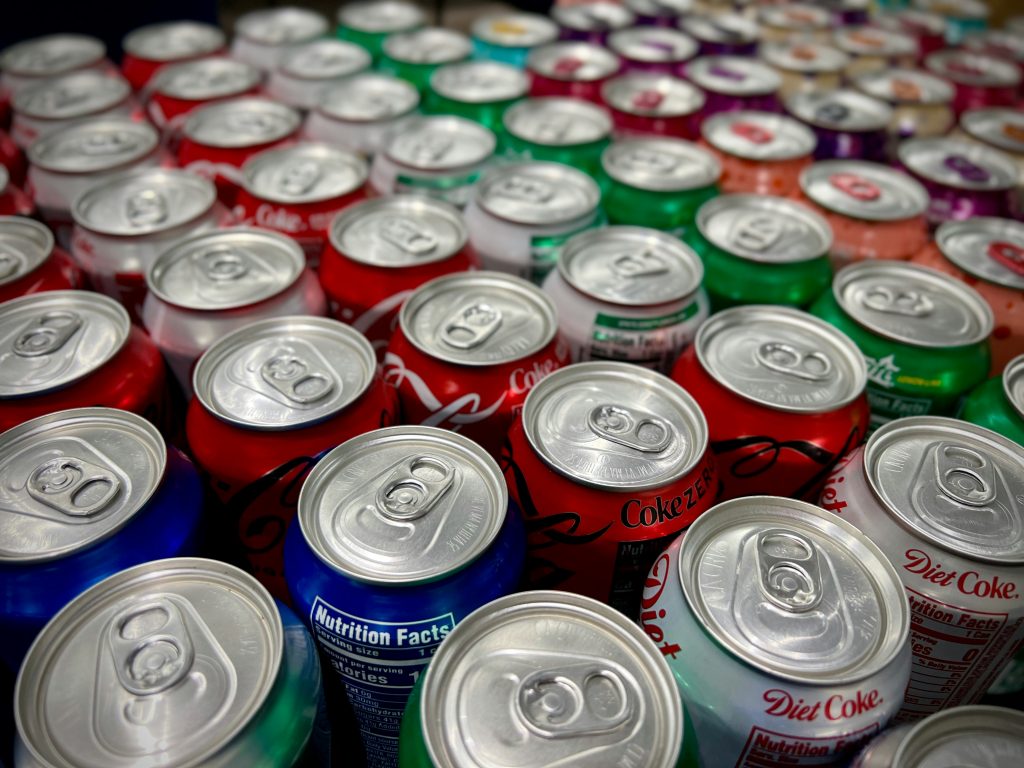
It's important to note that these studies show associations, not direct causation. However, the consistency of the findings across different populations and study designs is cause for concern.
Are All Artificial Sweeteners the Same?
Not all sweeteners are created equal. Some, like stevia and monk fruit extract, are derived from natural sources and may have different effects on metabolism compared to synthetic sweeteners like aspartame or sucralose. However, the long-term health impacts of all non-nutritive sweeteners are still being studied, and caution is warranted.
What Should Diabetics Drink Instead?
For those managing diabetes, the best choices remain simple and natural:
- Water: The healthiest and most hydrating option
- Sparkling water: Plain or naturally flavoured for those who miss the fizz
- Unsweetened tea or coffee: Hot or cold, offering antioxidants without added sugar
- Infused water: Add slices of lemon, cucumber, mint, or berries for a refreshing twist without added sugar or sweeteners
Practical Tips for Making the Switch
- Gradually replace diet sodas with healthier alternatives to avoid withdrawal symptoms
- Keep a reusable water bottle handy to encourage regular hydration
- Experiment with herbal teas or homemade iced teas for variety
- Always read labels carefully—many "sugar-free" drinks still contain artificial sweeteners
The idea that diet sodas are a safe haven for diabetics is increasingly being called into question. Whilst they may not raise blood sugar in the short term, their long-term effects on metabolism, gut health, and appetite regulation are concerning. For those living with diabetes—or anyone seeking to reduce their risk—the safest bet is to stick with water and other unsweetened beverages.
Remember: just because a drink is sugar-free doesn't mean it's risk-free. As research continues to unfold, it's wise to approach diet sodas with caution and prioritise whole, minimally processed options for your daily hydration.
If you or someone you know is living with diabetes, share this information and encourage healthier beverage choices. Your long-term health is worth more than a fleeting sweet taste.
So… Should People with Diabetes Quit Diet Soda? A Practical Decision Framework
The goal is not to demonise one drink. It is to reduce overall metabolic risk and keep habits working for you. Use this framework to decide what makes sense for your body and routine.
1) What the studies really mean (in plain English)
- Many large studies find that people who drink more diet beverages have higher rates of diabetes and cardiovascular outcomes.
- But these studies often cannot fully separate cause from correlation: people already at higher risk may choose diet drinks to cut sugar.
- That said, consistent associations are a signal to use diet soda thoughtfully, rather than as a “free pass”.
2) The “green / amber / red” guide
Green (generally fine):
- Occasional diet soda (e.g., a few times a week) whilst your overall diet is largely minimally processed
- Using it to replace sugar-sweetened soda, and your snacking does not increase afterwards
Amber (consider reducing):
- Daily consumption (1–2 a day) because it has become a default hydration source
- You notice more cravings for sweets, or you “compensate” with extra snacks because you saved calories
Red (worth changing sooner):
- Multiple cans a day, plus frequent ultra-processed snacks
- Diet soda is used to push through fatigue instead of addressing sleep, stress and meal balance
- Persistent bloating/GI symptoms that seem linked to fizzy sweetened drinks
3) A 14-day “swap ladder” (no willpower heroics)
- Days 1–4: swap one diet soda for sparkling water (plain or with lemon/lime).
- Days 5–9: keep the swap and add one unsweetened drink option you actually enjoy (iced tea, cold brew, hot tea).
- Days 10–14: keep diet soda as an intentional choice (e.g., with one meal) rather than a default all-day drink.
4) What to track (so you get real feedback)
- Afternoon cravings and snack frequency
- Sleep quality (especially if caffeine is involved)
- Weight trend and waist comfort (tightness of clothes is a useful clue)
- If you use CGM: compare post-meal patterns on “diet soda days” vs “non-diet soda days”
Medical note: This article is for general education and is not a substitute for medical advice. If you have diabetes, discuss personalised beverage choices with your clinician or dietitian, especially if you have kidney disease, heart failure, or are using medications that affect hydration.
Editorial update: 22 February 2026 — expanded with an evidence-clarity section (association vs causation), a decision framework, and a 14-day swap ladder.
Note: This piece was written as a commissioned feature and has appeared in other health and lifestyle platforms.